In a major victory favouring Persons with Disabilities, the union government has decided against amending the Rights of Persons with Disability Act, 2016 after its move came under deep criticism.
In a letter dated June 2020 Dr. K.V. S. Rao, Director, Ministry of Social Justice and Empowerment, wrote a letter to seven select NGOs/DPOs inviting their observations/suggestions/comments on the proposed amendments to the Rights of Persons with Disabilities Act, 2016(RPwD). The BJP-led union government proposed altering the offences/penal provisions contained under Sections 89, 92, and 93 of the RPwD Act to decriminalize minor offences. These amendments were proposed in order to improve business sentiments and unclogging court processes.
This move can be traced back to the proposal of the finance ministry on dated 10th June 2020 to decriminalize minor offences, including those relating to cheque bounce and repayment of loans. Decriminalization of minor offences in 19 economic legislations, as proposed by the finance ministry, is expected to provide relief for business enterprises reeling under the impact of COVID-19 thereby improve ease of doing business and reduce burden.
Under the plea of decriminalizing “minor offences” the government planned to drastically alter the very nature of the RPwD Act. The government stated that such provisions “act as deterrents and this is perceived as one of the major reasons impacting investments from both domestic and foreign investors”. Every investor, foreign or Indian has to comply with the law of the land where they are setting up businesses, and legislations are not amended to suit their interests.
The proposed amendments were aimed to remove the authority of the RPwD Act and to ensure its compliance. As per the proposal of the government, it was to compound offences before the Chief Commissioner for Persons with Disabilities or the State Commissioner leading to the “discharge” of an offender “if in custody”. These pertain to Sec. 89 (punishment for contravention of provisions of Act or rules or regulations made thereunder); Section 92 (a) (Whosever, intentionally insults or intimidates with intent to humiliate a person with disability in any place within public view) and Sec. 93 (punishment for failure to furnish information).
Ease of doing business or providing an investor-friendly climate cannot be at the cost of depriving and negating hard-won rights of the marginalized. Unfortunately, for the government, the interests of business take precedence over the interests of the people.
If implemented properly, penal provisions for contravening the provisions of law are not a “deterrent” but ensures that the laws are complied with. Indeed, in the long run, they are enabling and contribute to the creation of a more inclusive environment. More importantly, there is very little data on cases registered under the concerned provisions of the RPwD Act and penalties that were imposed.
Persons with Disabilities and disability rights activists vociferously protested this decision of the government which failed to provide any data to back its decision. The disability sector was amused by the flimsy excuses put forth to defend this proposed amendment. With the Coronavirus pandemic around, Persons with Disabilities couldn’t get on to the streets to protest. In a joint statement, over 200 disability rights organizations, civil society organizations, and activists unequivocally registered their strong protest against the proposal to “dilute and nullify” penal provisions contained in the RPwD Act,2016. Protests were also organized locally against this amendment.
The DEPwD on Thursday said that during its consultation processes, it received feedback from various stakeholders, the majority of whom opined that the existing provisions of the RPwD Act, 2016 are appropriate safeguards for PwDs and were essential for the effective implementation of the act. “They were of the view that compounding of offences would dilute the spirit of the said act for protecting and preserving the rights of persons with disabilities,” the DEPwD said in its statement.
“Keeping in view the overall sentiments of the majority of stakeholders, the department is now of the considered view, that going ahead with the proposed amendment for compounding of offences may not be in the interest of persons with disabilities,” it said through its statement. Therefore, it has been decided that there is sufficient ground to close the consultation process and not to pursue the proposed amendment to the RPwD Act, 2016. This is indeed a victory to the Persons With Disability in their struggle for equality. Ultimately, the government had to buckle under the people’s pressure and had to reverse its regressive decision to amend the RPD Act.
Read About: Remedies for Women Worker against Sexual Harassment under the Industrial Disputes Act
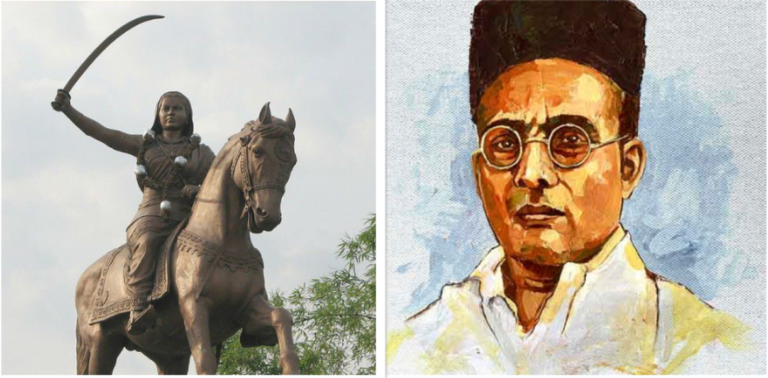
The BJP led Union Government has out-rightly rejected the proposal to name Belagavi airport after Kitturu Rani Chennamma. Kitturu Rani Chennamma, The queen of Kitturu is one of the foremost names in the history of India’s freedom struggle. The irony is the fact that in the meantime, Yalahanka flyover in Bengaluru is being named after Savarkar.
The history of the issue
Belagavi is one of the commercial cities of the state and hence the airport was upgraded. The upgraded airport was launched during the Congress-JDS coalition government in 2018. During the launching ceremony, the then Minister of Civil Aviation, Ashok Ganapatiraju in his speech had said that ‘if the state cabinet agrees upon the name of Rani Chennama and proposes it to the central government, it (union government) would approve soon.’ It was an assurance.
Accordingly, the then Chief Minister HD Kumaraswamy had written to the Union Government on 22nd December 2018, requesting that the Belagavi airport be named after Kitturu Rani Chennamma and Hubballi airport be named after Sangolli Rayanna.
Later, the coalition government fell and the BJP came to power in the state. The new CM BS Yeddyurappa too wrote to the union government requesting to name Belagavi airport after Rani Chennamma. However, the union government which had earlier said that they do not have any objection in naming the airport has now outrightly rejected the proposal.
While the Union Government is reluctant to name an airport after our freedom fighter, the naming of Yalahanka flyover in Bengaluru has been finalized even without it getting proposed in BBMP.
The Yelahanka Flyover controversy
The BJP government has gone ahead in naming Savarkar to the flyover constructed at Dairy circle on Major Sandeep Unnikrishnan road in Yalahanka. In this regard, a public meeting was also organized on May 28th. But the opposition parties started condemning the move by asking what was the contribution of Savarkar in the Indian Freedom struggle. They kept stating that Savarkar didn’t fight for independence but wrote many apology letters to save himself from the ‘Kalapani’ sentence. The opposition parties demanded that the flyover be named after a Kannadiga and staged protests against the move. This became a statewide issue. Hence the ruling BJP government canceled the ceremony itself.
But it is said that finally, the BBMP has decided to name the flyover on Savarkar. They seem to have taken the decision unanimously. And it is also said that the BBMP has submitted this decision. So, the government will examine the proposal and a final order would be issued soon.
Before any government public projects are named, a meeting should be held in BBMP. The opposition parties are alleging that the BBMP did not take any decision and yet approval has been given. If this is true, it is an illegal decision and the question remains as to whether the BJP government is going ahead with naming the flyover illegally.
Regarding this, naanugauri.com spoke with BBMP opposition leader Abdul Wajid and B Harishkumar of Karnataka Ranadhira Pade, who are opposed to the move to name the flyover on Savarkar.
Expressing his anger against the state government B Harishkumar said, ‘the government is going ahead with its anti-Karnataka move. This government had cancelled Tippu Jayanti just because it thought Tippu Sultan was a controversial figure. So, even Savarkar is a controversial figure and why is his name being proposed for the Yalahanka flyover? We had protested against this last month on the streets. At that time just to eyewash the pro-Kannada activists, they had cancelled the event and now they are quietly going ahead with the name of Savarkar. The people of Karnataka will never forgive such a decision. Only Kannadiga’s name should be considered in Karnataka. Hence we will go to high court opposing this move of state government.”
Mayor K Gautam Kumar, who while clarifying this matter said, “The May 28th inauguration ceremony was cancelled but the process of naming the flyover on Savarkar was not stopped. We had invited objections from BBMP but there was just one objection to naming the flyover after Savarkar. Hence, a meeting of the BBMP members took place on Tuesday, and in this meeting, everyone has agreed unanimously in naming the flyover after Savarkar. The proposal has been submitted to the state government and the further process will be done the state government” he said.
But is it true that all the BBMP members have agreed unanimously in favour of naming the flyover after Savarkar? To know the answer, naanugauri.com tried to contact opposition leader Abdul Wajid but he did not receive our call. (If we get successful in talking to him, we will update this story.)
In sum, the issue of whether the flyover has to be named after Savarkar has turned into a question of prestige for the BJP government. Though the opposition parties have maintained silence, for now, the pro-Kannada activists do not appear to be in a mood to agree with this move. So, we will have to watch how this issue unfolds in the coming weeks.
As the world scrambles to find a cure for Covid-19, the population around the world started talking about immunity and its importance in tackling this problem. The curiosity about the foods, herbal and non-herbal products, and medicines that boost immunity rose during this pandemic. Health experts from various medical schools of thought around the world emphasised on having a good immune system which might help to minimise the effects and hasten the recovery from the illness.
The ministry of AYUSH has issued more than one advisory on herbal and non-herbal preparations that help to boost immunity.
From time immemorial Ayurveda has been talking about immunity in a language of its own and has rich concepts to offer towards the same. I think it is the right time to speak about the Ayurvedic perspective of immunity.
The word Vyadhikshamatva has been used in Ayurveda to denote immunity. Immunity is the capacity of the people to resist harmful micro-organisms from entering their body and thus resisting the manifestation of the disease (Vyadhi Utpadaka Pratibandhakatvam) and at the same time having adequate capacity to fight against the already manifested disease (Vyadhi Bala Virodhitvam).
The immune system has three important components – Sahaja Bala (innate or native immunity), Yuktija Bala (adaptive or acquired immunity) and Kalaja Bala (time, age and season-specific immunity).
Sahaja Bala (innate or native immunity)– The innate immunity is defined by the body’s original genetic make-up which helps to fight against the disease. As a result, some races, families, and people living in certain geographies do not suffer from certain infectious diseases. This type of innate immunity can be specific in nature where an individual or community has specific resistance against a particular micro-organism. Non-specific innate immunity provides immunity to all infections in general.
Yuktija Bala (adaptive or acquired immunity) – is acquired by means of a nutritious diet, regular exercise, and following an ideal lifestyle. This type of adaptive immunity can be further sub-divided into naturally acquired immunity through chance contact with a disease-causing agent or artificially acquired through deliberate actions such as vaccines.
KalajaBala (time, age, and season-specific immunity) – is gained at a favourable or specific age, time and season. The children below 5 years of age and people above 60 years are more prone to infectious diseases as their immune responses to disease-causing agents is low. That’s why the special emphasis on safety and care for children below 5 years, people above 60 years and people who have diabetes, hypertension, kidney and heart disease, and all immune-compromised people were given during this Covid-19 pandemic.
Let us now review some common causes of a lowered immune system.
Atyalpa Nidra (Lack of sleep) – During sleep, the immune system releases proteins called cytokines, some of which help to promote sleep. Certain cytokines not just promote sleep but they also help the body to fight against infection-causing agents. Sleep deprivation may decrease production of these protective cytokines. In addition, infection-fighting antibodies and cells are reduced during the sleep-deprived period. Ayurveda considers a good amount of sleep as one of the three important pillars of health.
Ati-madhura Aahara (Excess of refined sugar)– The presence of a higher amount of refined sugar in food has an impact on the health and immune system. Excess sugar reduces the performance of white blood cells which play an important role in the defense mechanism of the body.
Ati-madhyapana (consumption of alcohol) – Clinicians around the world have observed an association between alcohol consumption and adverse immunity-related health effects such as susceptibility to pneumonia, acute respiratory stress syndrome, alcoholic liver disease, slower and less complete recovery from infectious disease. There has been a lot of evidence to show that alcohol disrupts immunity pathways in complex ways. These impair body’s ability to defend against infection.
Dhoomapana (cigarette smoking) – It is associated with numerous diseases and impacts both innate and adaptive immunity. Cigarette smoking reduces the functional capacity of WBCs and thereby reducing the body’s ability to fight against infectious diseases.
Ativyayama (Excessive exercise) – There is a lot of evidence to show that too much intense exercise can reduce immunity. Cortisol and adrenaline known as the stress hormones raise blood pressure and cholesterol levels and suppress the immune system. Therefore, it is advised to all people and athletes who are undergoing high-intensity endurance tests to include enough ‘rest days’ to allow the body’s immune system to recover.
Manodvega (stress) – When we are stressed, the immune system’s ability to fight the antigens is reduced. The stress hormone corticosteroid suppresses the effective mechanism of immunity by lowering the number of lymphocytes.
Vyadhi-Sankara (presence of co-morbid factors): Co-morbidity is the presence of one or more additional conditions/diseases often co-occurring with a primary condition and this can be physiological or psychological. These include heart disease, hypertension, chronic lung diseases, diabetes, severe kidney disease, mild to moderate liver disease, AIDS, cancer, etc. With the increasing presence of comorbidity in older adults, there is a proportional decrease in immune responses.
Anya Karana (other factors) – People suffering from malnutrition, those regularly exposed to chemicals and heavy metals, and those deprived of basic health facilities are susceptible to various infectious diseases since their immunity levels are usually down and so are the socio-economically downtrodden people.
The author is an Ayurvedic doctor based in Bangalore. Views are personal.
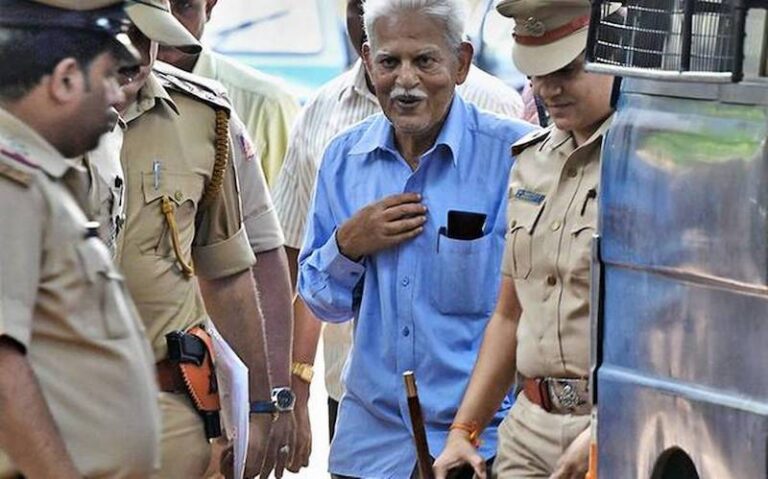
Family members of the world-renowned Telugu Poet and Public Intellectual Varavara Rao have informed through a press note that they were very worried about his health. Varavara Rao is presently incarcerated in Navi Mumbai’s Taloja Jail and his health has been worsening over the last six weeks now ever since he was shifted in an unconscious state to JJ Hospital on 28th May 2020. Though was discharged from the hospital three days later, there has been no improvement in his health and still is in need of emergency healthcare.
On Saturday evening’s routine call to his family had led his family to immense worry about his health as he did not answer straightly the questions around his health but spoke in a much-hallucinated sense about his parents’ funeral that had happened at least 40 years ago. Then, his co-accused prisoner took the phone from Varavara Rao to inform his family that he was to even do his own tasks. VV Rao could barely walk, go to the toilet or brush his teeth by himself and was hallucinating that his family members and his aids would wait for him at the gate of the prison as he would be released told the co-prisoner. The co-prisoner also informed VV Rao’s family that he needed not just physical but also neurological medical help. Confusions, incoherence, and loss of memory are results of electrolyte imbalance and fall of Sodium, and Potassium levels could lead to brain damages which could be fatal.
The kin of Varavara Rao was deeply worried about his health as he spoke with a weak and muffled voice, incoherent speech, and made abrupt jumps to speak in Hindi on his previous phone calls on June 24th and July 2nd too. He has been an eloquent public speaker and a Telugu teacher for over four decades with an impeccable memory and this has pushed his family members and other activists to worry.
Taloja Jail Hospital is not equipped enough to handle these serious illnesses either in terms of equipment or medical help. This VV Rao’s family is demanding him to be shifted to a super specialty hospital or allow his family to care for him by providing required medical care. They have also reminded the government that he had to spend 22 months in jail on a fabricated case against him and his bail petitions even on basis of age, ill-health, and Covid-19 vulnerability factors were rejected 5 times. His spouse P Hemalatha and daughters P Sahaja, P Anala, and P Pavana have reminded the government has no right to deny the Right to Life to any person, much less an undertrial prisoner.
India has been going through an unprecedented crisis in the last few months with the pandemic and consequent lockdown. The unplanned and harsh nature of this decision, in turn, triggered a humanitarian catastrophe in addition to the ongoing healthcare crisis. The most visible impact was on workers in the informal sector, who made desperate journeys back to their villages and still continue to face a loss of incomes, hunger and poverty. The less visible impact is on women, girls and gender-diverse individuals, all of whom are silently bearing a disproportionate burden of untold suffering.
At the frontlines of this crisis, we see women as health workers, cleaners, paramedics and other caregivers. We know that over 70% of the entire public health system comprises of women, yet this does not ensure them their rights. Women are usually the lowest paid and at the bottom of the health hierarchy, as we see with more than 10 lakh ASHA workers pressed into high-risk work in community surveillance, for less than minimum wages in most states. Nurses have gone on strike to publicise how hospitals are forcing them to work without pay for several months. Women health workers have pointed out that they have inadequate access to the essential PPE even though they spend long hours of duty providing care to COVID patients. Women nurses are crowded in unsafe and unhygienic quarters while male doctors are permitted to stay overnight in hotels.
Within homes, women’s unpaid workload has increased. It is always women who look after sick family members: they care for those in quarantine, or look after infected household members; women are also expected to pick up rations and fetch water for the home – all this puts them at risk of infection. The lack of school mid-day meals and Anganwadi nutrition, coupled with the return of large numbers of men who had migrated out into urban areas, will affect the food available in the household, especially with the increased poverty. Women usually eat last and eat less dairy and protein items compared to men. Now with very little food available, their nutritional status is likely to become worse especially if they are pregnant or breastfeeding. This is a matter for concern, as India already has shamefully high levels of anaemia and thinness among women. More than half of women are anaemic, even pregnant and breastfeeding women, the data unchanging even after a decade, as NFHS-4 has shown (National Family Health Survey by IIPS, 2016).
Within households, in a situation of high stress, there is an added risk of domestic violence. During the lockdown, it was extremely difficult to report violence owing to lack of safe spaces and privacy or to seek treatment for injuries as access to doctors became almost impossible. Moreover, seeking help is tough when the police are themselves violently enforcing the lockdown. Women, girls and gender-diverse persons may have faced considerable sexual violence with no way to escape and no access to protection, contraceptives or safe abortions during the lockdown. This leads to a greater risk of HIV and STIs, unwanted pregnancies and unsafe abortions. A study by the Foundation for Reproductive Health Services in India has estimated that this lockdown will lead to over 800,000 unsafe abortions along with 1750 maternal deaths among 2.3 million unintended pregnancies. Access to menstrual protection also became a major issue for millions of girls who were receiving supplies from their schools or ASHA workers and could not purchase expensive products in the market.
With poor planning and lack of preparation for lockdown, the government seems to have forgotten that on a daily basis, about 70,000 women give birth, while another 45,000 women seek abortions across the country. Around 10,000 women every single day will develop childbirth complications that require specialized care, but it has been almost impossible to get care in either public or private hospitals. The media has constantly reported how pregnant women have faced enormous hurdles in seeking care during childbirth, some desperately visiting as many as five or six hospitals that refused to admit them. Women have given birth at home, on trains or in vehicles; an unknown number lost their babies, and many lost their own lives. Some of these cases have been taken up by the High Court of Telangana, Mumbai and Delhi. Many poorer women gave birth in the open, delivering babies on highways as they travelled thousands of kilometres to reach their villages, abandoned by both employers and governments.
This will not be the last such crisis that India has to face, but it has displayed appalling neglect of the women of this country, their roles and their health needs. Policy planners and community responses need to understand that any epidemic and the response to it will have different impacts on men, women and other genders. The problems are amplified according to their power relations of caste, class, religion, status and location, since each of these shapes their access to resources and services. Governments and communities must remain attentive that their response to a crisis does not end up deepening existing inequalities and the gender divide.
Jashodhara is a social researcher with over thirty years of experience in the voluntary sector. She has worked on gender, health, and rights: with community women in Uttar Pradesh, as well as in national policy spaces and internationally.
Frida Kahlo (1907-1954) was a Mexican painter and Marxist, who lived a radical and colourful life, which was cut short at the age of 47. Although she is now well-known for her surrealist art and her self-portraits, which tends to get overshadowed in the mainstream celebration of the artist is Kahlo’s fierce, communist politics. In a phenomenon now called ‘Fridamania’, liberals have conveniently appropriated her aesthetic style while glossing over the fact that Kahlo’s identity of being a disabled, bisexual, and communist woman places her in opposition to much of what the white liberal project promotes.
Read: Pandita Ramabai: A Feminist Scholar, Educator, and Trailblazer for Women’s Rights in India
From a young age, she was passionate about Marxist ideology, feminist politics, and LGBT rights. She joined the Young Communist League and the Mexican Communist Party. As members of the Mexican Communist Party, Kahlo and her husband were asked in 1937 to shelter Leon Trotsky, the Soviet revolutionary, who had sought political asylum in Mexico. In 1940 when Trotsky was assassinated, Kahlo and her sister were jailed as suspects but later released when found innocent.
Her Art
Her paintings were often an expression of the chronic physical pain she battled with on account of her childhood Polio condition and a road accident she suffered at the age of 18. Her art represented her struggles as a disabled woman, and has continued to inspire artists today to focus on under-represented portrayals of differently-abled bodies.
The Two Fridas, 1939, Oil on canvas, 173.5 x 173 cm, Museo de Arte Moderno, Mexico City, Mexico.‘The Broken Column’ (1944) by Frida Kahlo
Her work also focused on Mexican folklore and engaged with questions of class, gender and race. She was an advocate of indigenismo, a movement which took pride in Mexican culture and tried to recover indigenous practices and forms of art from the influence of colonialism. To show her pride in indigenous culture, Kahlo used to declare that she was born on July 7, 1910, which marked the year of the Mexican Revolution.
A Glimpse into her Life
The 2002 film, Frida, is a tribute to the artist’s colorful life. Although it does not hide her politics, its main focus remains on Kahlo’s personal life and her marriage. It takes us through the traumatic road accident Kahlo (played by Salma Hayek) suffered as a teenager, which left her permanently injured. She needed multiple surgeries over the course of her life, which included the amputation of one of her legs. It was during her recovery from the accident that young Kahlo began painting.
Frida Kahlo with her husband Diego Rivera
The film portrays her volatile and dysfunctional marriage with fellow artist and communist, Diego Rivera. Both of them had multiple extra-marital affairs and Frida also had relations with other women too, breaking out of restrictive bourgeois sexual codes. Most famously, Kahlo had an affair with the Russian revolutionary, Trotsky, when he came to Mexico after being granted political asylum. Kahlo’s marriage was rocky, with Rivera’s infidelity leading her to alcoholism and her own affairs leading to their divorce, although they later remarried each other.
Despite the affairs, Rivera and Kahlo shared in common their artistic passion and radical politics. For instance, Rivera refused to deviate from his communist politics in his art, including a figure of Lenin in his mural for the Rockefeller Center, which resulted in the mural being destroyed by his American patron, Nelson Rockefeller.
The movie is a vivid depiction of the pain that Kahlo lived with throughout her adulthood and its cinematic style attempts to recreate the magic-realism found in Kahlo’s own art.
Legacy
While her art did not rise to fame during her own lifetime, it was in the 1970s that her work began to amass attention. During the feminist movement of the ’70s, academics and activists began to recognize and challenge the historical exclusion of non-Western, female artists from the mainstream scholarship.
Frida Kahlo in her last public act, July 2nd, 1954, demonstrating against the CIA organized military coup that overthrew the elected government of Guatemala.
In this process, Kahlo’s works were brought forth and popularized in the international public sphere. In the 1980s, when her paintings gained international acclaim, Mexico declared her works as a symbol of their National Cultural Heritage.
Kahlo channeled her experience as a disabled woman to bring a fresh perspective to her art, but at the same time, she did not let her physical condition stop her from being politically active. Even a few days before her death, she participated in a pubic demonstration protesting the American-backed overthrow of Guatemalan President, Jacobo Arbenz. Her dedication and resilience are conveyed in her statement: “I must fight with all my strength so that the little positive things that my health allows me to do might be pointed toward helping the revolution, the only reason for living”.
See Also: Bolivia: Another US-backed military coup in Latin America
One of the fallouts of the current Covid-19 crisis is that suddenly health has become a priority in the public eye – and even among business commentators. We are urged by all that India should increase its health budget nationally. This is all for the good. However, how the increased allocation, if it happens, is to be spent by the government is equally important.
We need our public money to be spent prudently and optimally. Two factors among the many that will be important are rational health care and corruption-free procurement of goods and services. Public health can be strengthened only by delivering health services in public health dispensaries and hospitals.
Rational Health Care
Rational health care means treating patients scientifically in the best traditions of good medical service. It means that ordering lab tests or X-Ray or CAT scan only when required. It also means skilling people like nurses so that they can atleast handle routine tasks of doctors; and sending a patient to consult a doctor or a specialist only when needed. This way we can reach more people. Rational health care also means following standard treatment guidelines – and prescribing rational medicines, prescribing the minimum amount of drugs and injections thereby minimising side effects. Doctors must guard from overprescribing (prescribing 2 medicines when one is needed) and underprescribing (giving one drug when 2 are needed). It means prudent use of antibiotics so as to minimise antibiotic resistance.
The record of the private sector in making health care rational and affordable is dismal. In the initial months of the Covid-19 epidemic, the private sector hospitals were charging exorbitantly with bills running into lakhs of rupees for couple of days of treatment even in mild cases.
Subsequently this was sought to be regulated with now most state governments bringing in ceiling prices for various aspects of Covid-19 treatment – these can be still high even with regard to things like PPEs, and hand sanitisers, etc. The RTPCR test itself – the Supreme Court fixed it – is priced at Rs 4500. Now many state govts have prescribed a ceiling of Rs 2500 per test. This can still be lower as there is evidence that the RTPCR kit is being sourced at less than Rs 500 – therefore the per test cost to the patient should not be more than Rs 1000-1500. As of writing there are no caps on antigen/antibody test kits nor on antigen/antibody tests per se. It is a dangerous free for all.
Pricing is Crucial to Access
In general, knowing the costs of equipment, medicines and procedures are crucial to the pricing of health care – it helps in more scientific procurement by government health departments and helps put a rational ceiling price on the input costs of treating a patient – Covid 19 or otherwise – in the private sector.
In recent times, it is the investigation by government agencies like the NPPA (National Pharmaceutical Pricing Authority) that led to the bringing down of maximum retail prices (MRP) of cardiac stents from Rs 2.5 lakhs and more to Rs 30,000; knee implant prices came down by about 70% on the average where trade margins were on the average 300 %. But the downside to the story is that these savings have not been passed on to the patient by private sector hospitals. That is because there is no costing of a stent or knee implant procedure and there is no ceiling price on them. So stenting/knee implant bills to the patient have remained the same – even gone up in some cases. Attempts under the Clinical Establishments Act to put a ceiling price on various medical procedures have been severely resisted by doctor’s lobbies like the Indian Medical Association (IMA).
If you look into the bills of a typical private hospital, accessories and items like catheters, injection syringes and even gloves are often billed at 2 to 5 and even 10 times their purchase price to the distributor – this is because there is no price regulation on most medical devices. Bowing to public pressure, all medical devices have been made liable to price regulation under DPCO (Drug Price Control Order) 2013 wef from April 1, 2020. The actual task of price regulation of these devices is going to be ‘phased-in’ in 3 years with attendant lobbying by medical device companies be assured.
DPCO 2013: the Good and the Bad
The DPCO 2013 itself is an outcome of a PIL in the Supreme Court from 2003 by All-India Drug Action Network et al, and the PIL is still continuing. The DPCO 2013 was an improvement over the earlier DPCO 1995, but it has serious problems. The ceiling price calculation methodology of DPCO 2013 is not cost-based but market-based: it takes an average of the retail price of the leading brands of a drug to calculate the ceiling price. If you take an average of retail prices of already overpriced brands, the average too will be overpriced. Therefore in effect the price reductions in most cases have been insignificant. The DPCO 2013 also restricts itself to the 376 medicines mentioned in the National List of Essential Medicines 2015 and to only those strengths and presentations (tablets/liquids/injectables) mentioned therein. Now Paracetamol 500 mg (brand Crocin etc) is under price control. So companies have sought to escape price control by making Paracetamol in strengths of 600 mg and even 1000 mg, Too much popping of paracetamol pills can cause liver problems.
Approval of Useless and Harmful Drugs
The question to be also asked is how did the office of the DCGI (Drugs Controller General of India) even approve a 1000 mg or a 600 mg strength for Paracetmaol when the safe strength per tablet advised in scientific literature is 325 mg. Indeed the question can be asked of many ‘approved’ drugs in India – especially fixed dose combinations (FDCs) – as to how they ever got approved in the first place. In FDCs, two or more medicines are combined and such combinations except in about 25 cases are considered irrational, unscientific and hazardous, The government had banned some 344 FDCs but thanks to drug companies, the matter is stuck in the courts. India’s total domestic medicine sale is Rs 1,40,000 crores per year, out of which atleast 25-30% are irrational and needs to be weeded out. By consuming unnecessary FDCs, it is the patient who suffers medically and monetarily.
Some FDCs are in the form of skin creams – and contain corticosteroids, including in the so-called fairness creams. Topical corticosteroids cause horrible, irreversible damage to the skin. There is a PIL in the Delhi High Court requesting ban of such corticosteroid containing creams – the PIL is from the Indian Association of Dermatologists, Venereologists and Leprologists (IADVL), one of the rare instances of a medical association seeking to weed out harmful and irrational medicines.
Wrong pricing and wrong approval of drugs – both harm the patient and sometimes irreversibly. Pharma industry does not want regulation of prices and even of quality standards if they had their way. During the current epidemic, drugs are being approved for indications on emergency use considerations but with little clear proof of safety and/or efficacy. Many of these drugs enjoy monopoly because of patents (often wrongly granted as in the case of Remdesivir in India) and are priced therefore exorbitantly. As we write it is available in the black market at 10 times their already unaffordable price.
It is the fashion of pharma companies to say the invisible hand of the market will take care of prices and therefore there is no need for government to regulate prices. Unfortunately, this is not true either of medicines or of the health sector in general. In fact, there is a general market failure in the pharma and health sectors. This has been pointed out by leading economists like Arrow and Akerlfof and Stiglitz – all Nobel Prize winners. It is, therefore, necessary for the state to intervene and actively regulate everything related to health care including pharmaceuticals.
Profit yes but Profiteering No
Nor should instruments like the DPCO 2013 or the Essential Commodities Act be diluted/abrogated as is being suggested by various so-called experts in the guise of ‘reforms’. In fact, the DPCO 2013 is issued under the Essential Commodities Act. The Act is one of the instruments to make health care affordable and prevent profiteering – the latter often is a choice between personal bankruptcy and death.
To quote Justice O.Chinappa Reddy, “Profiteering, by itself, is evil. Profiteering in the scarce resources of the community, much-needed life-sustaining food-stuffs and lifesaving drugs is diabolic. It is a menace that had to be fettered and curbed. One of the principal objectives of the Essential Commodities Act, 1955 is precisely that. It must be remembered that Article 39(b) enjoins a duty on the State towards securing ‘that the ownership and control of the material resources of the community are so distributed as best to subserve the common good’. (Union of India v. Cyanamid India Limited (1987))
S.Srinivasan has been involved with issues of affordability, availability, and accessibility of health care for all over 40 years. He has written books and articles and spoken in various fora on the politics and public health aspects of pharmaceuticals including pricing policy regulatory and IP issues. He is associated with LOCOST Vadodara which makes medicines at low prices and is involved in advocacy of related issues of access to medicine. Srinivasan is also associated with the medico friend circle, All-India Drug Action Network, SAHAJ Society for Health Alternatives, and PUCL. And has been involved in several PILs on pharma policy issues in the Supreme Court and High Courts. He is a graduate of IIT Kharagpur, IIM Bangalore and has studied epidemiology at Johns Hopkins University
Poet and activist Varavara Rao’s health is getting worse in jail. His wife spoke to him over the phone today. He sounded unstable and was talking about his dead parents. One of his co-accused who has been assigned the duty to take care of him had to step in and inform us that he needs to be urgently moved to a hospital for better treatment.
She mentioned that he has barely been able to move and has been speaking incoherently about incidents from his childhood. He is not even able to brush his teeth. He should be immediately shifted to the hospital.
Rao began to deteriorate after he had a fall on May 28 inside the prison. He was in an unconscious state when he was moved to the state-run J.J. hospital for a few days before being moved back to the prison.
Soon after his health first worsened in May, the family had moved the court seeking urgent bail. The family claim that in order to oppose their bail application, the National Investigation Agency (NIA) had moved him back to the prison, abruptly stopping his medication in the process.
His daughter while speaking to the wire.com said that his medical report is showing that his sodium and creatinine levels are below normal. He needs urgent medical attention.Neither government nor jail authorities have done anything in this regard.
Rao is 82 years old.
SOS: #VaraVararao is seriously ill. Called up wife Hemalatha today, has been hallucinating about death of his long gone parents. Person with him in jail told family over phone that VV is in #verybadshape. Delirious. Unable to walk or brush teeth! #RT for urgent hospitalization. pic.twitter.com/PJtMrCSG7Z
Rao who has been in jail since his arrest in June 2018, for his alleged role in the Elgar Parishad- Koregaon Bhima case of Maharashtra, was, along with other accused, moved from Pune’s Yerwada prisons to Taloja central jail in the outskirts of Mumbai earlier this year. This was just a few days before the COVID-19 pandemic broke out in India. Since then, the condition, especially in Mumbai, has been worrisome.
In yet another regressive judgment by the higher judiciary, comes a Delhi HC judgment on online education dated 8th July, 2020. The Delhi High Court in its online hearing of Queen Mary School Northend Vs. Director of Education,has allowed the schools to exclude students from receiving the online education facility in case of default of payment of school tuition fees.
This order from Delhi HC in essence has disregarded the order of the Delhi Government dated 18th April 2020 wherein the private schools had been barred from charging any other component apart from tuition fee, till the lockdown in effect.
The order was passed by Justice Jayant Nath on a single-judge bench of the High Court held that when parents had failed to pay tuition fees for more than two months, the petitioner is free to issue appropriate notice to such parents to explain the reason of default. When the parents are unable to demonstrate to the petitioner regarding their financial difficulties, the (petitioner) school is to communicate the same to the parents and decline such students from accessing online education facility for the students by not providing them with ID and Password.
Clause (VIII) of the circular also stated that the students cannot be denied access to online educational facilities to those students who were unable to pay the school fees due to financial crises arising out of the closure of business activities.
The legal counsel of the school had submitted that more than 40% of the students’ households had taken ‘unfair advantage’ of the orders of the state and had not paid the tuition fees which had led the school to a deep financial crisis.
The bench of Delhi High Court also clarified that the parents could approach the appropriate authority of the Government of NCT of Delhi/respondent if they have any grievance against the school authorities’ decision about the school fees payment.
Through its order, the Delhi High Court has entrusted the schools with the discretionary powers to look into the merits of the ability or inability of the student’s families to pay the school fees. However, the private schools with the intent of collecting fees from the students would definitely want to further their own interests. This puts the onus upon the students’ parents to establish and satisfy the authorities of the school that they are financially incapacitated to pay the school fees owing to the lockdown. Also, in case of any grievance, the families of the students are asked to approach the appropriate authorities which again shifts the onus on the families of the students in these times of pandemic wherein the masses of the country are constrained not just financially but also in movement and social capital.
Read about: Karnataka HC stays Ban on Online Education
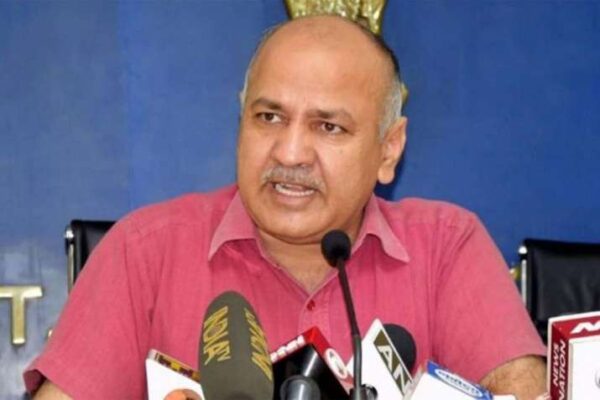
Manish Sisodia announced today that Delhi State Government has decided to not conduct any examinations in its state universities including the final semester examinations owing to the Covid-19 pandemic outbreak. The decision comes in as a breather to the students of Delhi after the Union Ministry of Human Resources and Development (MHRD)had earlier on 6th July 2020 issued guidelines and Standard Operating Procedures (SOP) for conducting the final year examinations for students in the “best academic interests”.
The state of Delhi while also serving as the national capital houses many state universities including Ambedkar University Delhi (AUD), National Law University (NLU) Delhi, Delhi Technological University (DTU), Guru Gobind Singh Indraprastha University amongst others. The decision regarding the same was announced today (11th July 2020) by Deputy Chief Minister of the State Manish Sisodia who is also the Education Minister for the state.
He announced that “Extraordinary times call for extraordinary decisions and that is why we have decided to cancel examinations in state universities. Semester, as well as terminal exams, stand canceled.”
However, it was also said that the degrees will be awarded to the students based on evaluation parameters as decided by the respective universities.
He added that “While universities have been directed to not conduct the written examinations and evaluate students on the basis of previous examinations, semesters, or by adopting any other assessments or progressive techniques.”
Manish Sisodia also underscored the importance of issuing degrees to final year students as they will enter the job markets, would have to give interviews or apply for other courses.
In light of the major disruptions caused by the Coronavirus pandemic, Delhi govt has decided to cancel all Delhi state university exams including final exams https://t.co/g4SFLqaBQK
He also informed that, besides this, the Chief Minister of Delhi, Arvind Kejriwal had written to Prime Minister Narendra Modi to adopt similar evaluation methods for Central Universities across the country.
On the contrary, the BJP ruled state of Karnataka has ordered its state universities to conduct examinations for students enrolled in the final semesters in line with the guidelines and SOP issued by the MHRD.
The decision of the State Government of Delhi must be understood as a small victory for the students’ community from across the country which has demanded the cancellation of all examinations amidst the Covid-19 pandemic outbreak.
Read About:Karnataka:35000 Private School Teachers lose Jobs, 8 Guest Teacher commit suicide




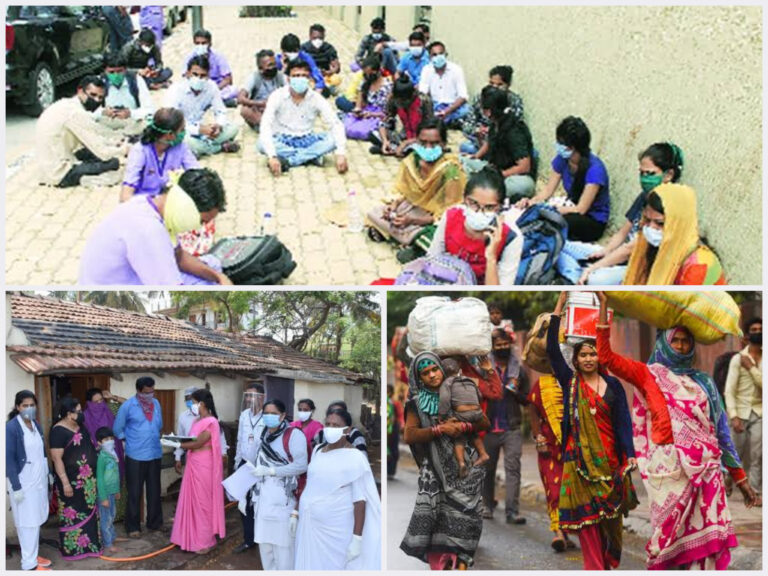

 At the frontlines of this crisis, we see women as health workers, cleaners, paramedics and other caregivers. We know that over 70% of the entire public health system comprises of women, yet this does not ensure them their rights. Women are usually the lowest paid and at the bottom of the health hierarchy, as we see with more than 10 lakh ASHA workers pressed into high-risk work in community surveillance, for less than minimum wages in most states. Nurses have gone on strike to publicise how hospitals are forcing them to work without pay for several months. Women health workers have pointed out that they have inadequate access to the essential PPE even though they spend long hours of duty providing care to COVID patients. Women nurses are crowded in unsafe and unhygienic quarters while male doctors are permitted to stay overnight in hotels.
 Within homes, women’s unpaid workload has increased. It is always women who look after sick family members: they care for those in quarantine, or look after infected household members; women are also expected to pick up rations and fetch water for the home – all this puts them at risk of infection. The lack of school mid-day meals and Anganwadi nutrition, coupled with the return of large numbers of men who had migrated out into urban areas, will affect the food available in the household, especially with the increased poverty. Women usually eat last and eat less dairy and protein items compared to men. Now with very little food available, their nutritional status is likely to become worse especially if they are pregnant or breastfeeding. This is a matter for concern, as India already has shamefully high levels of anaemia and thinness among women. More than half of women are anaemic, even pregnant and breastfeeding women, the data unchanging even after a decade, as NFHS-4 has shown (National Family Health Survey by IIPS, 2016).
Within households, in a situation of high stress, there is an added risk of domestic violence. During the lockdown, it was extremely difficult to report violence owing to lack of safe spaces and privacy or to seek treatment for injuries as access to doctors became almost impossible. Moreover, seeking help is tough when the police are themselves violently enforcing the lockdown. Women, girls and gender-diverse persons may have faced considerable sexual violence with no way to escape and no access to protection, contraceptives or safe abortions during the lockdown. This leads to a greater risk of HIV and STIs, unwanted pregnancies and unsafe abortions. A study by the Foundation for Reproductive Health Services in India has estimated that this lockdown will lead to over 800,000 unsafe abortions along with 1750 maternal deaths among 2.3 million unintended pregnancies. Access to menstrual protection also became a major issue for millions of girls who were receiving supplies from their schools or ASHA workers and could not purchase expensive products in the market.


 The 2002 film, Frida, is a tribute to the artist’s colorful life. Although it does not hide her politics, its main focus remains on Kahlo’s personal life and her marriage. It takes us through the traumatic road accident Kahlo (played by Salma Hayek) suffered as a teenager, which left her permanently injured. She needed multiple surgeries over the course of her life, which included the amputation of one of her legs. It was during her recovery from the accident that young Kahlo began painting.