After the BJP government of Karnataka failed to pass an Anti- conversion bill during the recently concluded winter session due to lack of majority in Upper House, the government is now mulling to get it cleared through ordinance.
“ Since the government could not pass the bill, we will have to clear it through ordinance”, declared Social Welfare Minister, Kota Srinivas Pujari. He claimed that the Act applies to all religions therefore everyone should welcome it. It is inappropriate to oppose it.
Pujari alleged that those who are opposing it, are only for some political gains. “ But the fact is that, mentally, they too like the Act and welcome it”, he said without referring to Congress which is sternly opposing the Bill.
It may be noted that the BJP government could not clear the bill in the session as the government did not have majority in the Council.
As per the rule, the government has to get any Bill cleared in both houses within six months of its tabling. After which, the bill goes to the Governor for approval. Only then, it becomes a law.
Now, while the Minister Pujari is hinting at getting it cleared through ordinance, some reports suggest that the government will get it cleared in January.
The government is expected to get a majority in the Vidhan Parishad in January after the end of tenure of many MLCs of the opposition parties. At that time, the government is thinking to re-table the bill in the council and getting it cleared.
The Vidhan Sabha(legislative assembly) has already given its approval in the winter session itself as the BJP government enjoys majority.
It was earlier reported that the government was aware that it might not get support of JD(S) MLCs in the council. The government, which does not wish to take a chance, decided to wait till January when it is going to get a clear majority in the Council.
Other reports suggest that the government is not in a mood to wait till the next session to be held either in January or February 2022. Instead, it wishes to take Cabinet approval and pass the Bill through the ordinance.
The announcement of Minister Pujari is in a way, giving strength to such speculations.
Interestingly, not just the opposition, but some leaders of the BJP too have opposed the Act. One of them is MLC, A. H. Vishwanath.
The Congress along with several organizations has expressed reservation to the Bill. They have been openly opposing the bill inside and outside Vidhana Soudha. Calling it anti-people, the Congress has been saying that it will give more powers to Hindutva outfits to target minorities in the name of preventing religious conversion.
Leader of the Opposition in assembly, Siddaramaiah has said that when there is an existing law to prevent forcible religious conversions or through inducements, then what is the need for new law.
Meanwhile, so far the Congress has succeeded in preventing the clearing of Bill the council. It plans to adopt a similar strategy to prevent it in the coming days and also in the next session.
The BJP is falling short of one member in the council for majority. It plans to get Independent MLC, Lakhan Jarkiholi into the party fold for the purpose.
Amid this, more organizations may join to exert pressure on the BJP government to drop the plan. The BJP government so far, appears to be adamant to clear the Bill before going for assembly polls in 2023.
Congress leader Priyanka Gandhi Vadra on Thursday lashed out at Bharatiya Janata Party (BJP) leaders and government officials after reports emerged of them allegedly “usurping” land near the upcoming Ram Temple in Ayodhya.
Priyanka Gandhi, the Congress general secretary addressed a press conference and demanded an impartial inquiry into the land allegations and corrupt deals involving Ram mandir trust and govt officials.
Looting and Toying with People’s faith
Priyanka said that the state’s ruling party has been “looting” and “toying with” the devotions of countless people in the country who donated something or the other for the Ram Mandir Trust.
“Almost every household in the country has donated something to Ram Mandir Trust,” said Priyanka Gandhi while addressing reporters in New Delhi. “A door-to-door campaign was held too. It is a matter of devotion and that is being toyed with. The pieces of land of Dalits, which could not have been purchased, were grabbed.”
She alleged that there were a few pieces of land that were of a much lower value than what they were sold to the trust at. “It means that there exists a scam regarding the money which was collected through the donation,” Gandhi claimed.
Notably, a news report has claimed that MLAs, mayors, relatives of the commissioner, SDM and DIG bought land in Ayodhya after the Supreme Court announced the verdict in the Ramjanmabhoomi-Babri Masjid dispute, clearing the way for construction of the Ram temple.
Soon after the report came out, the Uttar Pradesh additional chief secretary (information), Navneet Sehgal, told the PTI news agency on Wednesday that “chief minister Yogi Adityanath has ordered the revenue department to probe the matter thoroughly”.
The Congress leader said that the Yogi Adityanath administration cannot be conducting the inquiry since the interests of BJP functionaries and senior government officials are allegedly involved.
“Yes, the UP government is appointing an inquiry commission to probe the allegations, who will be the ones conducting the investigation? These are officials at the district collector-level,” Gandhi said, demanding instead an “unbiased” inquiry headed by the Supreme Court.
“The temple is being built on the orders of the Supreme Court; so it is only natural that the inquiry, too, should be conducted at the level of the top court,” said the Congress leader.
Congress general secretary and chief spokesperson Randeep Surjewala termed it a “land scam”, charging there is an “open loot of land inside Ayodhya city by people connected to the BJP”.
Mangaluru, Karnataka (PTI): Six people were arrested for allegedly torturing a labourer at the Bunder old port in the city on suspicion that he had stolen a mobile phone.
A shocking video of fisheries worker hung upside down from a crane in a fishing boat at Bunder and getting assaulted have gone viral on the social media, following which the police swung into action.
Police source said the incident took place on December 15, but came to light only on Wednesday.
All the six accused and the labourer who was tortured, identified as Vaila Sheenu (34), are from Andhra Pradesh.
Preliminary investigation revealed that the man was ill-treated for allegedly stealing a mobile phone, the sources said.
Mangaluru South police have registered a case under various sections of the IPC including 307 (attempt to murder) in this connection and have undertaken further investigation, city police Commissioner N Shashi Kumar said.
On 19 December 2021, the results of the Chilean General Election was declared and a young Gabriel Boric emerged victorious. The Chamber of Deputies (Chile’s Lok Sabha) saw a move away from the Right-wing Chile Podemos Más Coalition. More seats went to new parties and the left-wing coalition Apruedo Dignidad, though no party coalition secured a majority. The Chilean legislature still has a strong but declining presence from right-wing parties, but newer younger left-wing politicians are rising.
Gabriel Boric: The face of Chile’s new left
Making international news is the victory of Gabriel Boric Font in the Presidential Race. Boric will be the youngest President Chile has ever had at age 35. Boric was a leading figure in the Chilean Winter student protests. He played an important role in establishing the Chilean Constitutional referendum, overthrowing the infamous Pinochet Constitution.
Boric won as part of the Apruedo Dignidad (Approve Dignity), a coalition of environmentalist feminist libertarian socialist parties. The Apruedo Dignidad’s strength in the Chamber of Deputies is still second to the Podemos Más, but Boric’s victory stands as historic as it marks a revival of socialism in the electoral politics of Chile after it was brutally assassinated by Augusto Pinochet. The Presidential win came following the largest voter turnout in Chilean history.
The Path to Boric’s win
Chile has been home to grassroots level organizing for centuries. The indigenous Mapuche people resisting the Chilean, to the counter-culture movements and the Mutual Aid revolutionaries of the late nineteenth century, to the Allende’s Parliamentary path to Socialism, pushed through the twentieth century. Chile is now known as the birthplace of Neoliberalism, when the military official, Augusto Pinochet overthrew the democratically elected leader, Allende, in an extremely violent coup. He mass slaughtered Allende’s supporters and began implementing policies based on the neoliberal Chicago school of economics. When his rule was reaching an end, he cemented the neoliberal parties through an extremely pro-market constitution.
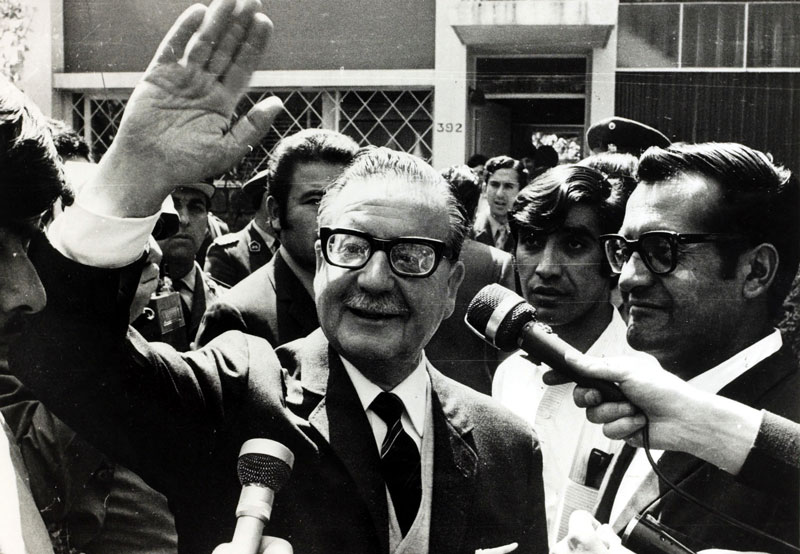
Salvador Allende, the Socialist President of Chile
When Democracy was restored, most of the winners of elections were people who opposed Pinochet and its Constitution. However, the Constitution, with a very strong emphasis on guarding the rights of the rich, restricting welfare measures, and use of extremely punitive anti-terrorism measures, hit indigenous communities hard.
Stories of struggle still passed from generation to generation, and this inspired a new generation of activists starting in 2006 with the mass demonstration known as the Penguin Revolution. The new generation of revolutionaries came with new ideas relating to sexuality, women’s rights, environmentalism, education, mobilizing through social media, and direct decision making.
Boric’s background
Boric joined student politics, where he was part of a collective called the Izquierda Autónoma (Autonomist Left). Autonomism is a brand of Marxism that began in Europe. Autonomists are suspicious of bureaucracy, insist on promoting socialism from the local level, and have a wider definition of working-class than other Marxists. Their wider definition of working class includes all wage earners, homemakers, students and anyone else denied autonomy in a capitalist society. Many consider Autonomoism to be a more libertarian brand of Marxism calling for decentralization and direction coming from the grassroots struggle, rather than movements directing the struggle.
Autonomous thought blends and worked with many radical progressive voices, including anarchism, feminism, and radical environmentalism. This showed strongly in the various struggles they took part in. The struggles encouraged people to take Direct Action, mobilizing on various issues.
Student leader Gabriel Boric delivers a speech during a protest to demand Chilean President Sebastian Pinera’s government to improve public education quality in Santiago, on August 28, 2012. AFP PHOTO/Claudio SANTANA (Photo credit should read CLAUDIO SANTANA/AFP/GettyImages)
Boric took part in student politics and in protests for better education and antimilitarism. He worked with other like-minded people and ran for student offices to help foster change. After graduating he ran for parliament in 2013 from the Magallanes Region as an independent. In the following years, he formed a coalition of similarly minded Libertarian politicians to form the Broad Front. Within the Broad Front, Boric led Social Convergence, an Autonomist faction.
To promote an inclusive country
To move away from neoliberalism towards socialism
To create alternatives to centre-left and centre-right parties
To create unity across diverse progressive forces and ensure their political independence from corporate power
To build participative democracy
Reforming the Constitution
In 2019, following the massive nationwide protests, Boric was one of the lead politicians in Parliament to negotiate a referendum by popular mandate. This led to the repeal of the Constitution set up by the neoliberal dictator Pinochet.
Following Broad Front’s participation in the Constitutional Plebiscite, hundreds of its members of the Boric’s Social Convergence quit the party insisting that the Plebiscite was taking away from grassroots movements to develop non-capitalist alternatives and strengthen the local socialist movements. Some felt that there was a mismatch between the more radical demands on the street for a bottom-up democracy of the people, and the creation of a committee by higher-ups in the organization to draft a new constitution. They felt that the Plebiscite was acting as a pressure valve against the energy being generated on the ground. They left without malice for Social Convergence, and in a statement saying that while they would continue the more radical struggle, they hope to meet again.
The Constitution is being drafted by the Constitutional Convention, which was appointed by a national election. The Convention is still drafting a new Constitution and is expected to submit a draft by April 2022 to be ratified by a National Plebiscite.
Following his win, Boric had promised to work with the runner up in the Presidential race, Daniel Jadue from the Communist Party of Chile. This has been hailed across the world as a new leftward shift in Chilean politics. Boric has been reported saying that neoliberalism was born in Chile and it would die in Chile.
Boric will be sworn in as President in March next year. His rise to Presidency is as historic as that of Salvador Allende, who was the last leftist to lead the Chilean state. Allende came to power after decades of struggle and repressive governments and was brutally exterminated by Pinochet’s coup, ushering decades of neoliberalism in Chile. As the critics within his movement made clear, there is no substitute for working to create socialism on the ground. Even the most progressive leader can only ride on demands from the people.
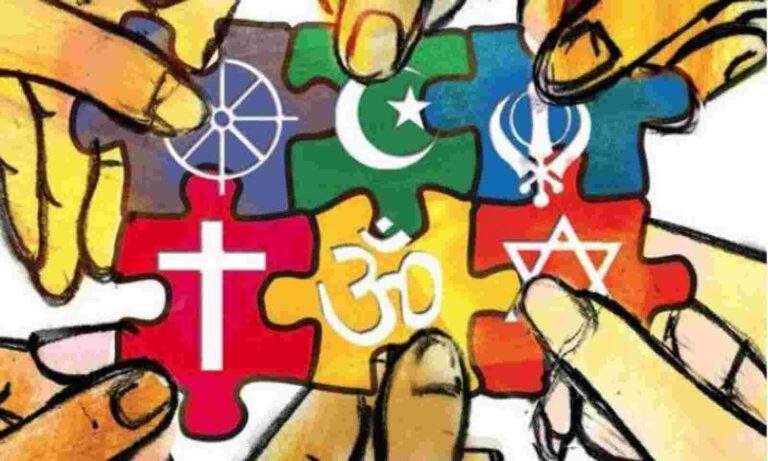
The Freedom of Religion Act known as anti-conversion law in India is a double edged sword. Its twin objectives are establishment of Hindu Rashtra and it perpetuates caste supremacy. The minorities, dalits and adivasis constitute nearly 40% of India’s population; of which Dalit Muslims and Dalit Christians have substantial percentages among the minorities. However, it was the Presidential Order of 1950 which promulgated the order billed as the most state propelled anti-conversion law in the Independent India.
Presidential Order 1950 of para 3 held that only a dalit who professed hindu religion could be treated as scheduled caste and it was extended to all dalit groups except for dalits among Christian and Muslim origins. The order has four devasting effects on the dalit communities.
It denies the dalit Christian and dalit Muslim the identity of being a dalit.
It denies the right to freedom of religion or belief of one’s own choice
It denies the basic constitutional fundamental rights; effectively denying them the government schemes, entitlements including education, equal employment opportunities, and civil & political rights extended to dalits among the Hindus, Buddhists and Sikhs
Finally, it violates the Protection of Atrocities Act against SCST against caste based violence.
Anti-conversion Law – A brazen attempt to trample and divide dalits, adivasis and religious minorities
The anti-conversion law is a weapon to trample democratic rights and divide the dalits, adivasis and religious minorities.
The Indian penal Code has the provisions to address any violation amounting disruptions or creating even ill-will among the communities. The provisions such as articles 153A, 153B, 295A and 505 deals with, “Promoting enemity between different groups on the ground of religion, race, place of birth, residence, language, etc., and doing acts prejudicial to maintenance of harmony”.
The arrest of the comedian Munawar Faruqui without even performing speaks volume of the force of the sections of IPC. Hence, it is critical to understand the intents of the action itself.
Two major intents of the Anti-Conversion Act:
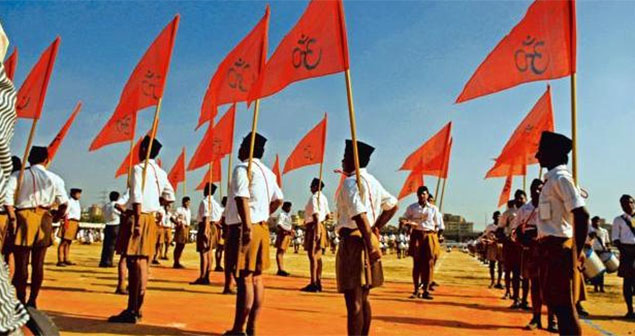
A step towards establishment of Hindu Rashtra:It is a major step towards establishment of Hindu rashtra with majoritarian religious nationalism as the core foundation. It views not just Christians and Muslim, but also dalits and adivasis besides rationalists and religious neutral progressive people as major threats. The bogey of conversion is built upon Niyogi Report commissioned by politically motivated Madhya Pradesh government spearheaded by Hindu nationalists in the early twentieth centuries. The report, a reservoir of fake information revolved around Christian missionaries. Interestingly, the author of the report, who suspected conversion, himself converted to another faith. Yet, the commission left behind legacy of hate campaign and violence. The Act undermines the very foundation of Freedom of Religion and Belief. The majoritarian religious nationalists have successfully lobbied for the first anti-conversion law in Odisha in 1967 as Freedom of Religion Act followed by nine other states in India.
An instrument of perpetuating caste supremacy: The introduction of anti-conversion bill pretended to protect the Dalits and Adivasis from the religious missionaries. The Anti-Conversion Bill remains as a contentious issue, even in the pre-independence India, where several princely states had enacted. Caste supremacy remains integral part of Hindu religious nationalism order. The demand for Anti-Aonversion Law was not just perpetuating caste system as much as to refrain from Greater Adivasi land for fear of breaking away from India.
Major Impacts:
There are five major impacts of the Anti-conversion law especially on Dalits, Adivasis, minorities and women.
Denial of basic human dignity and human rights as equal citizens: Indian constitutional and international covenants. There is a systematic campaign to infantilise the dalit and adivasi communities. The proponents of the act argued that the dalits and adivasis have ‘undeveloped minds’ and could not decide for themselves. The Jharkhand government while introducing Anti-conversion bill in 2017 justified it on the alibi that Mahatma Gandhi was against conversion; equated untouchables as cows and mute, who needed to be protected. It quoted in its advertisement in local newspapers in Hindi, said: “Why do you stress on conversion of the simple, illiterate, poor and forest-dwellers? These people can’t differentiate between Jesus and Mohammad and are not likely to understand your preaching. They are mute and simple, like cows. These simple, poor, Dalits and forest-dwellers whom you make as Christians, do so not for Jesus but for rice and their stomach.” The message is quite clear that it does not recognise that the dalits and adivasis have minds of themselves. The content of the advertisement is an insult to the communities; freedom of thought, conscience, religion and belief. The state has denied the right to choose, the right to religious freedom and belief.
The law is against the basic human dignity and human rights enshrined in the Article 14 to 30 in Indian constitution that makes every citizens equal before law without discrimination and rather allows to profess, practice and propagate religion or belief of one’s choices. It violates the international covenants and instruments where India is a signatory. It is quite clearly spelled out in Articles 1, 18 & 19 of the Universal Declaration of Human Rights (UDHR), the Articles 18 &19 of International Covenants on Civil and Political Rights (ICCPR) and the Articles 2 & 3 of UN Declaration on Elimination of All Forms of Intolerance and of Discrimination Based on Religion or Belief.
2. The Law is an instrument of hate campaign, hate speech and violence
The anti-conversion law is an instrument of hate campaign and mass violence. The bogey of disloyalty to the nation as the source of religion originates in a foreign country like Israel. Peculiarly, the Hindutva forces are keen to emulate the Israelites for strategies of dealing with the religious minorities. The Christians are viewed in three stages over the decades. Initially, there was contempt for the Christians as a whole and it denigrated them. In recent years, a section of upper caste Christian politicians and higher clergy followed by the substantial presence of Christians even though they belong to marginalised communities were being co-opted. Dalits & Adivasi Christians are intimidated and attacked if it helps to polarise the voters to its advantages. NDTV has noted 400% increase of hate speeches by the ruling top leadership since 2014.
3. The Law perpetuates conflicts and divisions among the social groups
The anti-conversion law has become source of continuous and varied conflicts. It has pitted both the adivasi and dalit communities against their own fellow community members based on their religious faiths and religious beliefs. It has divided dalits and adivasis who lived harmoniously hitherto for centuries to look at one another with suspicion for embracing another faith. Anti-christian violence in Kandhamal and Gujurat reveals how dalits and adivasis were at the neck of each other. They were foot soldiers of the Hindutva forces. The Uttar Pradesh Anti-Conversion bill has exposed how it could be used to spread communal feelings between Dalit, Hindus and Muslims, whereby a Dalit Hinducan not marry a muslim man without the administration approval. This is not just infantilizing the dalits and adivasis, but even women of majoritarian faith. For Dr. BR Ambedkar, conversion to other religious beliefs is a rejection of upper caste supremacy of Hinduism, a structurally enforced inferiority to justify in Hinduism.
4. The Act destroys their legal identity by robbing the dalit and adivasi identities.
The Anti-Conversion Law is being used by government machinery to rob the dalit and adivasi identities. There are attempts to file cases against adivasi Christians by Adivasis as there are stringent punishments and fines if the victims belong to adivasi and dalit. It is an ambiguous law and defeats its very purpose of protecting adivasis. For the dalit Christians, it is a double edged sword as they are attacked for their caste as well as religion. There are false cases are slapped against Christians without any evidences using major loopholes.
5. The Law destroys their economic, cultural, social and religious identity as a community:Economical Rights: Religious minorities especially Christians and Muslims are considered as worst in the economic index. Charitable activities are considered as conversion and it results in the denial of NGO and church activities. Charity is central to religious belief and values. Adivasi activists consider anti-conversion law as an instrument to divide the adivasis to grab the land for the corporate houses.
Social and Cultural Rights: Adivasis of all religions proud of their cultural heritage and continue to celebrate adivasi feasts with great pomp and splendor. The anti conversion throws cold water onto it and attempts to break the tribal bonding.
Religious Rights: Over 50 Gram Panchayats in Chattishgarh used PESA Act to ban non-hindus religious propaganda, prayers, speeches and buildings without Panchayat permission. Of course, it was struck down. Over all, the Act aims at denying the citizen rights to freedom of religion or belief.
Therefore, the Anti-conversion Law must be removed not just from Karnataka, but from all the states which enacted this undemocratic law.
Ajaya Kumar Singh is a social activist and lawyer, conferred with Minority Rights Award by the National Commission for Minorities.This is a Presentation made During the Webinar Oraganised by the National Solidarity Forum
Accusing the BJP government of delaying the implementation of Mekedatu water project of Ramanagar district, the Congress has decided to launch a 10-day Padayatra from January 9 under the tile ‘Neerigagi Nade (Walk for water).
Meanwhile, Congress Legislative Party chief and Leader of the Opposition in assembly, Siddaramaiah has made it clear that it is not their party’s programme. But a campaign organized in the interest of the people of the State. “ People of different walks of life and organizations can participate in it as the programme is not a political one”, he said.
He alleged that despite the project having no legal hurdles, the BJP government is delaying its implementation. The BJP has adopted delay tactics, he said.
Detailing about the campaign, he said that of the ten days, the first five days will be spent in rural areas and remaining in urban areas. The Yatra will commence from Mekedatu and will cover Kanakapura, Ramnagar, Kengeri, Nayamdalli to reach Bengaluru city.
The entire stretch of 160 kilometers will be covered in ten days, Siddaramaiah said.
He claimed that the project was first planned by the Congress government in1968 itself. But it could not be implemented then due to the matter being subjudice. The project report was prepared by the Congress when it came to power in 2013.
He said that the objective of the Mekedatu project is to hold the excess water which normally gets wasted and joins the ocean during monsoon season. The stored water could be used during summers for drinking, irrigation and generating power.
“ Over 30% of the population of Bengaluru city is not getting Cauvery River water. Mekedatu project will provide water facility to Bengaluru city and around 2.5 crore people of ten other districts. Considering the dire need, the government should implement the project without any delay”, he said.
Claiming that neither Green Tribunal nor Supreme Court is objecting to the project and the project report is ready, the government should go ahead with the project as Tamil Nadu has no legal right to object for the project.
When the condition is so favorable to the State government, yet the government is still delaying the project, which only means that the government has no political will for it.
“Before the election, the BJP was saying that if the BJP government comes to power in the State and at the Centre, then it will act like a double-engine government. All the pending projects can be expedited and adequate funds could be allocated. But today when BJP is in power in both places, the projects are not moving anywhere. If a double-engine government can be really good for the people, then why is the Mekedatu project still pending”, he wondered.
What is the Mekedatu project?
The Government of Karnataka had announced plans to construct a 67 tmcft capacity dam across Cauvery River at Mekedatu area of Kanakapura taluk in Ramanagar district located between Karnataka and Tamil Nadu border.
The objective of the project was to provide drinking water to Bengaluru city and nearby districts and also to generate 400MW of power with the dam.
The government had proposed to spend around Rs. 6000 crore for the dam which was submerging around 5000 acre land.
The detailed project report was also submitted to the Central Water Commission.
The Karnataka government meanwhile has been saying that the project would be commenced after receiving permission from the Ministry of Environment, Government of India.
The Karnataka government has shown interest in the project since 1960 itself. At the same time, Tamil Nadu government also declared to construct Hogenakal project.
But because of the Cauvery water sharing dispute between both states, the projects remained pending.
Between 1996-97, duo States held five rounds of talks, and the Central Government allowed both States to take up two projects each.
In 2007, The Apex Court issued an order stating that both States can take up non-irrigation related projects that do not affect its order.
The Court stated the same in its 2018 order. After which, Karnataka took more interest in the Mekedatu project.
The Government decided to start the work by considering the feasibility report prepared between 2013 and 2019.
But the Tamil Nadu government raised objections to it. In order to clear all the doubts and objections of the Tamil Nadu government related to this project, Former Chief Minister, B. S. Yediyurappa had written a letter to Tamil Nadu Chief Minister, M. K. Stalin.
But the TN government which refused to hold any talks, continues to oppose the Mekedatu project. Going a step further, the government held an all party meeting where it resolved to urge Karnataka to drop the project.
K R Pete, Karnataka: There is new turn in the Dalit atrocity case in K R Pete, mandy district. After Dalits filed case against 27 persons of upper caste, some influential people of upper caste are trying to use Dalits leaders to get the case withdrawn.
The sources said that the leaders of upper caste are trying to take advantage of the rifts between two sects of Dalit community to hush up the case.
Since the attack has taken place on the Madiga community, the upper caste leaders are making efforts to hold talks with leaders of Holeya community to get favorable statements from them.
The families of victims are denying the report of Dalit leaders holding talks with leaders of upper caste.
“ We are not talking about this issue with any leader of upper caste communities. Those Dalits who are getting lured by upper caste, do not know that the upper caste people will project Dalits as culprits. They are trying to put false charges against the victims in order to close the case”, said some leaders of Madiga community and leader of Holeya who are with the victims of Hariharpura.
Meanwhile MLA C. S. Puttaraju of Melkote-Pandavapura held a meeting to negotiate with Dalits leaders.
This has also led to speculation as to why the MLA is interfering in the matter instead of getting justice to the Dalit family.
But leaders of Upper Caste claim that the MLA had come to K. R. Pete for some private event. During which time he personally tried to end the dispute.
Meanwhile, Srinivas, one of the leaders of upper caste claimed that no incident of Dalit atrocity has taken place in Hariharpura village.
“ Some people with vested interest are giving false narrative and spreading rumors to protect some persons of Dalit community who are already facing several criminal charges such as theft, eve teasing, rape etc.
Dalit leader Basti Rangappa who is supported by Dalit Sangharsha Samiti is making false allegations against the youth of upper caste”, he said.
Meanwhile, Rangappa has said that since it was a matter between a few youths of Dalits and Upper Castes, therefore, it should not be made a caste issue. Culprits of both sides should be punished according to the law, he said.
Meanwhile Rangappa gave the list of Dalit leaders who participated in the meeting of the MLA, but when checked, it was found that none of the family members of the victims were present in the meeting.
The leaders who participated in the meeting were all from Holeya sect while the victims belong to the Madiga sect.
Sanju and Darshan, the victims, say that because of the differences between the two communities, the leaders of upper caste are trying to take advantage of this rift.
Speaking to media persons, Srinivas, one of the accused said that there is no caste discrimination in their village. The dispute did not take place because of caste. Those who were involved in the case are already facing criminal charges.
Meanwhile, the complainants have denied facing any criminal charges. They said that only one among them was charged with thefts, even he was later acquitted.
After finding of the body of a 14 year old girl in Bukanakere village of K. R. Pete Taluk in Mandya district, the parents are suspecting it as a murder.
Death of a minor girl has led to several suspicions after the parents claim that their daughter cannot commit suicide by hanging herself. They suspect it is a murder.
The mother of the girl said that around a fortnight ago, she had taken her daughter to the hospital after complaining of stomach ache. But during the medical examination, it was found that the girl was pregnant. The parents accuse Paramesh (46), one of their neighbors of committing sexual offence against their daughter.
The family suspects that the accused had committed the crime on multiple occasions when the parents had gone out for work.
“ Now when he realized that the girl is pregnant, the accused has killed the girl”, the parents said in their complaint with the police. After which, the accused has been arrested and remanded to judicial custody.
Meanwhile several organizations including Akhil Karnataka Arundhatiyar Mahasabha and Mahila Munnade (Women’s Front) and People’s Movement Against Sexual Assault(PMASA) have condemned the incident and demanded justice.
The organizations have demanded the government to pay compensation of Rs. 30 lakh to the family of the victim.
They also staged a protest outside the DC office on Monday.
The organizations have demanded inquiry into the incident and ensure strict punishment to the culprits.
With the emergence of the ‘gig economy, gig workers, especially during the pandemic, have found themselves increasingly at crossroads with the economic impacts of this new working model.
Yesterday, on the 20th December, 2021, the Urban Company headquarters in Gurgaon faced demonstrations relating to proposed policy changes in the UC Partners’ app for the beauty category. These changes have a direct and adverse impact on the beauticians’ ability to bring their earnings on the digital platform to the standard of a living wage.
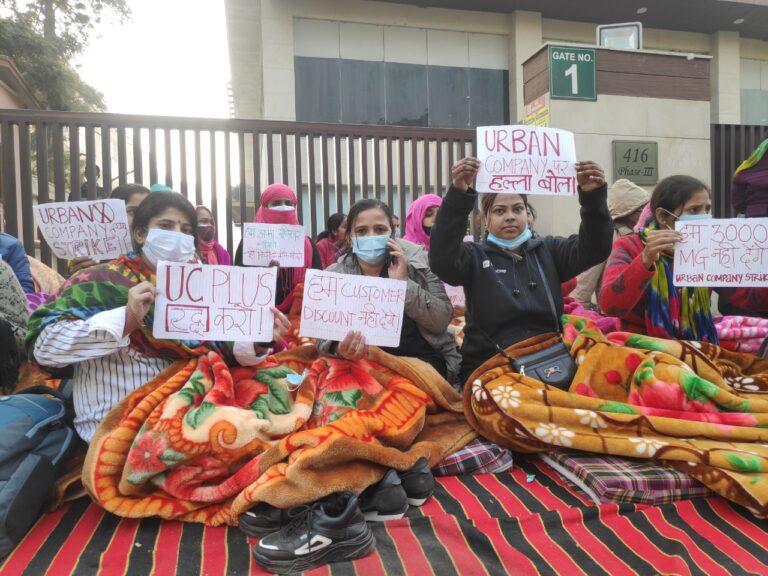
Urban Company (UC) women workers are protesting in front of the Urban Company office in Gurgaon against the arbitrary categorisations, and new policies of subscriptions and discounts that the workers have to pay from their own pockets. They have stayed overnight and resolved to not leave unless the changes are withdrawn.
Delhi NCR Urban Company Partners from the Beauty Segment are engaged in an all night strike outside the UC Head Office in Gurgaon, following failed negotiations with the leadership on worker concerns around proposed changes to the platform that will affect worker earnings. pic.twitter.com/clLOy3BW3n
— AIGWU – All India Gig Workers Union (@aigwu_union) December 20, 2021
Three important changes, among others, have been highlighted by the workers as changes will reduce their ability to make a living wage. Specifically,
1. Workers have been notified of changes that amount to them having to plan their monthly calendar of work and paying an upfront subscription fee to secure this work plan. Urban Company Partners demand that UC should NOT implement this subscription system of Rs. 3000 (for prime workers) and Rs. 2000 (for classic workers) per month under the garb of ‘Minimum Guarantee (MG) Plan, with the supposed aim of increasing customer and partner satisfaction.
Women workers from @urbancompany_UC have decided to continue their strike till the mangement goes back on the proposed changes to the platform.
There are several pregnant women in the group as well who refuse to leave till their demands are met. pic.twitter.com/4rIXNSQv0E
— AIGWU – All India Gig Workers Union (@aigwu_union) December 21, 2021
2. A new categorisation system – namely “Flexi” – has been introduced which seeks to penalise workers for their refusal to participate in the subscription system mentioned above, or for low response rates’. UC partners in this category are denied work from Monday to Thursday. This is part of a continuing bid to coerce workers and penalise low response rates through access control.
3. Well performing UC Partners (Luxe/ Gold Plus & Silver Plus) have been asked to provide customers with discounts to the tune of 10% of their earnings’ pitting customer interests directly against partner interests, particularly in the case of those who have put in the effort to build up a strong work history for the company through successful delivery of services. AIGWU condemns this unfair treatment of the best performers. Companies may ensure competitiveness but not at the cost of the workers’ wages.
After a breakdown of negotiations between Urban Company Partners and the management yesterday, the women workers spent the night in the biting cold winter protesting outside the company HQ.
The All India Gig Workers Union expresses support with the strike women. There is an immediate need to classify gig workers as employees so that they may benefit from any legal infrastructure that would otherwise fail to protect them as a result of their employment status.
AIGWU stands with the workers when they protest the introduction of a “pay to work” scheme which is being introduced under the cover of a minimum guarantee of work.
The Urban Company CEO Abhiraj Bhal continues to sermonise at webinars on how much Urban Company values its partners. We hope the company’s stakeholders put their money where their mouth is and ensure their partners have their just demands met with due urgency.
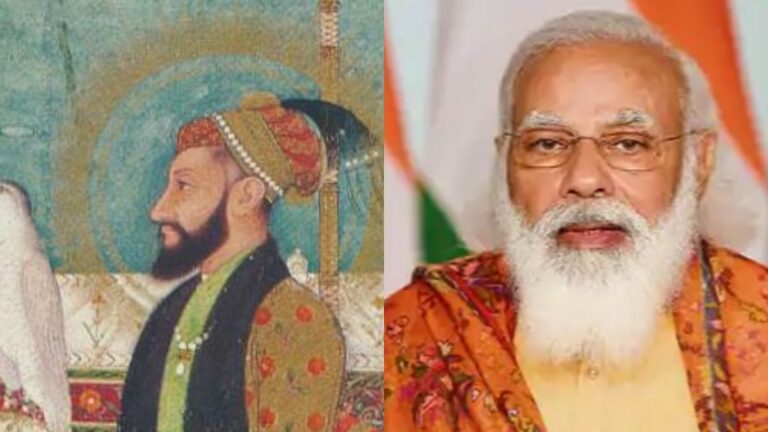
Narendra Modi, a senior swayamsevak (member) of the Rashtriya Swayamsevak Sangh, long back in 2013 when he occupied the office of chief minister of Gujarat, declared himself to be a ‘Hindu nationalist’. As the PM of the largest democratic-secular polity in the world; India, he misses no opportunity to stress the favourite Hindutva binary of putting Hindus and Muslims as two communities at war in the country. He resorted to this favourite polarizing theme of his while speaking at the inauguration of the renovated and expanded Kashi Vishwanath Dham [Kashi Vishwanath Temple] in his Varanasi parliamentary constituency on December 13, 2021. Digging into past of Benares now Varanasi (Kashi) he stated:
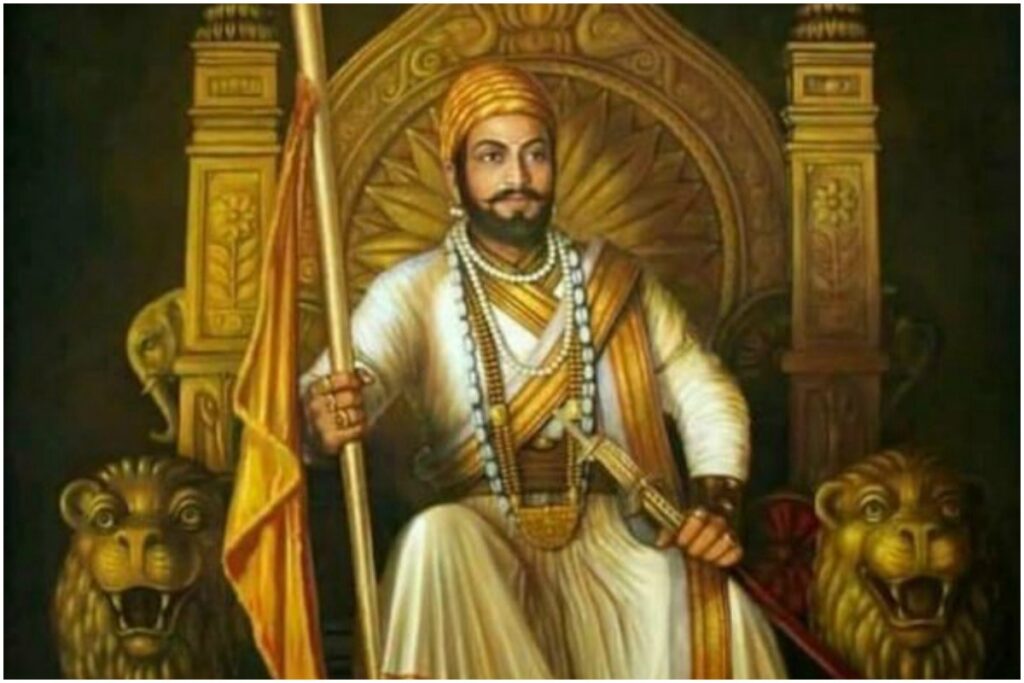
“Tyrants attacked this city, tried to destroy it. History is witness to Aurangzeb’s atrocities, his terror. He tried to change civilisation with the sword. He tried to crush culture with fanaticism. But the soil of this country is different from that of the rest of the world. Here if an Aurangzeb comes, a Shivaji also rises.”
For PM, the story of repression and persecution by Aurangzeb, a Mughal king is not the story of some individual tyrant ruler but a bigoted Muslim who hated Hindus and Hinduism. Aurangzeb personified all Muslims of India and the religion Islam. Unfortunately our PM as a Hindutva bigot brazenly discards some very crucial historical facts even stated in the contemporary ‘Hindu’ narratives about the rule of Aurangzeb [1658-1707].
These records prove that Aurangzeb rule was also the rule of Rajputs or Kshatriyas [members of the second of the four Hindu Castes in order of precedence after Brahmins] and other members of high Castes. Aurangzeb never faced Shivaji in the battle-field. It was his commander-in-chief, a Rajput ruler of Amer (Rajasthan), Jay Singh II (1688– 1743) who was sent to subjugate Shivaji. He was conferred the title of ‘Sawai’ [one and a quarter times superior to his contemporaries] chief by Aurangzeb in 1699 and thus came to be known as Maharaja Sawai Jai Singh. He was also given the title of Mirza Raja [a Persian title for a royal prince] by Aurangzeb. The other titles bestowed on him by other Mughal rulers were ‘Sarmad-i-Rajaha-i-Hind’ [eternal ruler of India], ‘Raj Rajeshvar’ [lord of kings] and ‘Shri Shantanu ji’ [wholesome king]. These titles are displayed by his descendants even today.Shivaji
This Rajput chief also gave his daughter in marriage to the son of Aurangzeb who became Mughal emperor after Aurangzeb. To know how Jay Singh II worked as a main hit-man of Aurangzeb, we must read the letter which Shivaji wrote to Jay Singh II condemning his subservience to Aurangzeb. A part of it read:
“I have heard that thou [sic] hast [sic] come to make battle upon me and to subjugate the Deccan. Thou desirest [sic] in this world to make thy face glow with blood drawn from the hearts and eyes of Hindus. But thou knowest [sic] not that thy face is painted in black, because owing to it, this country and religion are in danger…thou hast in fact come to conquer at the instance of Aurangzib[sic] and under the instigation of those who desire to destroy the Hindus” [text as per the original translation]
Interestingly, we have first-hand account of Raja Rughnath Bahadur, a Kayasth who functioned as Deewan Ala (prime minister) of both the Mughal emperors Shahjahan, and Aurangzeb. According to a diary of one of his direct descendants, Rai Lala Maharaja Lal (son of Rai Bahadur Munshi Jeewan Lal who was one of the main traitors who facilitated capture of Delhi by the British rulers in September 1857 during the 1857 Rebellion) despite Aurangzeb being the Emperor,
“Raja Rughnath Bahadur having attained to the most exalted rank of Diwan Ala (prime minister) was not unmindful of the interests of his caste-fellows. As the Kayasths were the only class amongst the Hindoos who could read and write the court language, i.e., Persian, the Raja appointed every one of them to posts of honor and emoluments, according to their individual merits; while many of them were granted titles of honor and valuable jagirs for their services. Not a single Kayasth remained unemployed or in needy circumstances. The Raja procured them everything they wanted, and tried his best to please them in every way he could.”(1).
This account shows that despite the rule of Aurangzeb, a ‘bigoted Muslim’ a Kayasth prime minister of his was able to patronize his Caste fellows; all Hindus.
The Hindutva zealots must know that Mughal rule survived due to the Hindu high Castes joining the ‘Muslim’ rulers in running the Mughal Empire. How solid this unity was can be gauged by the fact that after Akbar no Mughal emperor was born of a Muslim mother. The Hindu high Castes provided brain and muscles to the Mughal rulers continuously. Thus, Mughal rule was the rule of Hindu high Castes also. Even Savarkar, before converting into a protagonist of Hindutva, did not subscribe to the religious exclusiveness of ‘Muslim’ rule. He was never shy of sharing the fact that though
“The ruling prince of Oudh was a Mahomedan [sic]; most of the big land-owners under him were Hindus. Jhagirs [sic] and Talukdari rights had continued from father to son in the families of these zamindars for generations. Hundreds of villages were administered under the single authority of each of these proprietors. They possessed forts and had small armies under them to protect these Jhagirs [sic].” (2)
Aurobindo Ghose who played a prominent role in providing Hindu philosophical direction to the Indian nationalism confessed that Mughal rule continued for centuries due to the fact that Mughal rulers gave Hindus, “positions of power and responsibility, used their brain and arm to preserve” their kingdom.(3). Renowned historian Tara Chand after studying the primary source material of the medieval period concluded that the from the end of 16th century to the middle of 19th century, “it may reasonably be concluded that in the whole of India, excepting the western Punjab, superior rights in land had come to vest in the hands of Hindus” most of whom happened to be Rajputs. (4)
Maasir-ul Umra a biographical dictionary of the officers in the Mughal Empire beginning from 1556 to 1780 [Akbar to Shah Alam] is regarded as the most authentic record of the high rank officials employed by the Mughal kings. This work was compiled by Shahnawaz Khan and his son Abdul Hai between 1741 and 1747. According to it Mughal rulers in this period employed around 100 high-ranking officials most of them “Rajputs from Rajputana, the midlands, Bundelkhand and Maharashtra”. Brahmins followed Rajputs in manning the Mughal administration so far as the number was concerned. Interestingly, Kashi Nagri Pracharini Sabha [established in 1893] committed to the cause of Hindi as official language published Hindi translation of this book in 1931.
It is nobody’s argument that Aurangzeb did not commit heinous crimes against his subjects. It needs to be remembered that his cruelty was not restricted to non-Muslims, his own father, brothers, Shias, those Muslims who did not follow his brand of Islam and Muslim ruling families in the eastern, central and western parts of his kingdom faced brutal repression. Aurangzeb executed renowned Sufi saint, Sarmad in the precinct of Jama Masjid of Delhi. It is also true that there were countless cases when Hindus and their religious places (5) were violently targetted during Aurangzeb’s despotic rule. However, there are contemporary records available of his patronizing Hindu and Jain religious places. Reducing all his crimes to the repression of Hindus only will tantamount to reducing the gravity of his crimes.
The linking of Aurangzeb’s crimes or a king/ruler in the pre-modern times of India to his/her religion is going to create serious consequences even for ‘Hindu’ version of history as narrated by the RSS. Take for example, Ravana, the king of Lanka who according to again Hindu’ narrative committed unspeakable crimes against Mother Sita, her husband Lord Rama and his companions during 14 years long vanvaas or exile. This Ravana was a learned Brahman who also happened to be one of the greatest worshippers of Lord Shiva who is worshipped at Kashi Vishwanath Temple. If like Aurangzeb Ravana’s criminal deeds are linked to his religion then PM Modi will have to wage war against all Brahmins and Shivites!
It is tragic for democratic-secular polity of India that its PM who is legally bound to uphold the all-inclusive and joint heritage of the Indian nation is religiously working to polarize the people of India on the basis of subjective and fabricated history. While inaugurating the renovation of the Temple complex at Kashi he willfully disregarded the fact of modern India that morning prayers at the Kashi Temple used to begin with the playing of shehnai (an instrument played at auspicious occasions) by Ustad Bismillah Khan (1914-2006), a practising Muslim who was awarded the highest national civilian award, Bharat Ratna. Khan in his autobiographical descriptions stated proudly that his mesmerizing shehnai skill was due to the blessings of Vishwanath; the eternal Shiva. It is to be noted that it was not only Kashi Vishwanath Temple where morning prayers used to start with musical rendering by a Muslim musician. The prayers at Maa Sharda Temple at Maihar in Madhya Pradesh used to start with the playing of sarod by Ustad Alauddin Khan (1862-1972) who also founded Maihar Gharana of the Indian music.
It is hoped that PM of India will keep in check his Hindutva impulses and not facilitate the agenda of enemies of India to undo it succeed.
Lal, Rai Lala Maharaja, Short Account of the Life and Family of Rai Jeewan Lal Bahadur Late Honrary Magistrate Delhi, With Extracts from His Diary Relating to the Times of Mutiny 1857, IMH Press, Delhi, 1902, pp. 3-4.
Savarkar, V. D., The Indian War of Independence 1857 Rajdhani, Delhi, 1970, p. 50.
Cited in Chand, Tara, History of the Freedom Movement in India, vol. 3, Publication Division Government of India, Delhi, 1992, p. 162.
Chand, Tara, History of the Freedom Movement in India, vol. 1, Publication Division Government of India, Delhi, 1961, p. 124.
Trushke, Audrey, Aurangzeb: The Man and the Myth, Penguin, Gurgaon, 2017, pp. 99-106.





 3. The Law perpetuates conflicts and divisions among the social groups
The anti-conversion law has become source of continuous and varied conflicts. It has pitted both the adivasi and dalit communities against their own fellow community members based on their religious faiths and religious beliefs. It has divided dalits and adivasis who lived harmoniously hitherto for centuries to look at one another with suspicion for embracing another faith. Anti-christian violence in Kandhamal and Gujurat reveals how dalits and adivasis were at the neck of each other. They were foot soldiers of the Hindutva forces. The Uttar Pradesh Anti-Conversion bill has exposed how it could be used to spread communal feelings between Dalit, Hindus and Muslims, whereby a Dalit Hinducan not marry a muslim man without the administration approval. This is not just infantilizing the dalits and adivasis, but even women of majoritarian faith. For Dr. BR Ambedkar, conversion to other religious beliefs is a rejection of upper caste supremacy of Hinduism, a structurally enforced inferiority to justify in Hinduism.
4. The Act destroys their legal identity by robbing the dalit and adivasi identities.
The Anti-Conversion Law is being used by government machinery to rob the dalit and adivasi identities. There are attempts to file cases against adivasi Christians by Adivasis as there are stringent punishments and fines if the victims belong to adivasi and dalit. It is an ambiguous law and defeats its very purpose of protecting adivasis. For the dalit Christians, it is a double edged sword as they are attacked for their caste as well as religion. There are false cases are slapped against Christians without any evidences using major loopholes.
5. The Law destroys their economic, cultural, social and religious identity as a community:
Economical Rights: Religious minorities especially Christians and Muslims are considered as worst in the economic index. Charitable activities are considered as conversion and it results in the denial of NGO and church activities. Charity is central to religious belief and values. Adivasi activists consider anti-conversion law as an instrument to divide the adivasis to grab the land for the corporate houses.
Social and Cultural Rights: Adivasis of all religions proud of their cultural heritage and continue to celebrate adivasi feasts with great pomp and splendor. The anti conversion throws cold water onto it and attempts to break the tribal bonding.
Religious Rights: Over 50 Gram Panchayats in Chattishgarh used PESA Act to ban non-hindus religious propaganda, prayers, speeches and buildings without Panchayat permission. Of course, it was struck down. Over all, the Act aims at denying the citizen rights to freedom of religion or belief.
Therefore, the Anti-conversion Law must be removed not just from Karnataka, but from all the states which enacted this undemocratic law.
Ajaya Kumar Singh is a social activist and lawyer, conferred with Minority Rights Award by the National Commission for Minorities.
This is a Presentation made During the Webinar Oraganised by the National Solidarity Forum


 Aurobindo Ghose who played a prominent role in providing Hindu philosophical direction to the Indian nationalism confessed that Mughal rule continued for centuries due to the fact that Mughal rulers gave Hindus, “positions of power and responsibility, used their brain and arm to preserve” their kingdom.(3). Renowned historian Tara Chand after studying the primary source material of the medieval period concluded that the from the end of 16th century to the middle of 19th century, “it may reasonably be concluded that in the whole of India, excepting the western Punjab, superior rights in land had come to vest in the hands of Hindus” most of whom happened to be Rajputs. (4)
Maasir-ul Umra a biographical dictionary of the officers in the Mughal Empire beginning from 1556 to 1780 [Akbar to Shah Alam] is regarded as the most authentic record of the high rank officials employed by the Mughal kings. This work was compiled by Shahnawaz Khan and his son Abdul Hai between 1741 and 1747. According to it Mughal rulers in this period employed around 100 high-ranking officials most of them “Rajputs from Rajputana, the midlands, Bundelkhand and Maharashtra”. Brahmins followed Rajputs in manning the Mughal administration so far as the number was concerned. Interestingly, Kashi Nagri Pracharini Sabha [established in 1893] committed to the cause of Hindi as official language published Hindi translation of this book in 1931.
It is nobody’s argument that Aurangzeb did not commit heinous crimes against his subjects. It needs to be remembered that his cruelty was not restricted to non-Muslims, his own father, brothers, Shias, those Muslims who did not follow his brand of Islam and Muslim ruling families in the eastern, central and western parts of his kingdom faced brutal repression. Aurangzeb executed renowned Sufi saint, Sarmad in the precinct of Jama Masjid of Delhi. It is also true that there were countless cases when Hindus and their religious places (5) were violently targetted during Aurangzeb’s despotic rule. However, there are contemporary records available of his patronizing Hindu and Jain religious places. Reducing all his crimes to the repression of Hindus only will tantamount to reducing the gravity of his crimes.
The linking of Aurangzeb’s crimes or a king/ruler in the pre-modern times of India to his/her religion is going to create serious consequences even for ‘Hindu’ version of history as narrated by the RSS. Take for example, Ravana, the king of Lanka who according to again Hindu’ narrative committed unspeakable crimes against Mother Sita, her husband Lord Rama and his companions during 14 years long vanvaas or exile. This Ravana was a learned Brahman who also happened to be one of the greatest worshippers of Lord Shiva who is worshipped at Kashi Vishwanath Temple. If like Aurangzeb Ravana’s criminal deeds are linked to his religion then PM Modi will have to wage war against all Brahmins and Shivites!
It is tragic for democratic-secular polity of India that its PM who is legally bound to uphold the all-inclusive and joint heritage of the Indian nation is religiously working to polarize the people of India on the basis of subjective and fabricated history. While inaugurating the renovation of the Temple complex at Kashi he willfully disregarded the fact of modern India that morning prayers at the Kashi Temple used to begin with the playing of shehnai (an instrument played at auspicious occasions) by Ustad Bismillah Khan (1914-2006), a practising Muslim who was awarded the highest national civilian award, Bharat Ratna. Khan in his autobiographical descriptions stated proudly that his mesmerizing shehnai skill was due to the blessings of Vishwanath; the eternal Shiva. It is to be noted that it was not only Kashi Vishwanath Temple where morning prayers used to start with musical rendering by a Muslim musician. The prayers at Maa Sharda Temple at Maihar in Madhya Pradesh used to start with the playing of sarod by Ustad Alauddin Khan (1862-1972) who also founded Maihar Gharana of the Indian music.
It is hoped that PM of India will keep in check his Hindutva impulses and not facilitate the agenda of enemies of India to undo it succeed.
