Healthcare during Covid19 – who are the real beneficiaries?

We all are aware that because of the Covid19 infection and the long lockdown, there has been a very bad impact on both Covid19 positive as well as non-COVID patients. There is more fake news circulating than reliable public health messages. The availability of diagnostics and treatment does not match the needs. With lockdown induced loss of livelihood and reduced access to nutrition, this pandemic is a public health crisis which cannot be managed only with procedures and medicines.

Insurance companies have raised concerns about the high costs being charged by private hospitals. Personal Protective Equipment (PPE) and newer treatment are not covered by private insurance and have to be paid out of pocket by the patient.

During this crisis, we have seen that public health facilities are insufficient and even for a simple lab test, people have to travel all the way to Bangalore from remote parts of Karnataka, worsened by the lockdown of public transport. Many private hospitals had shut down during the early stages of the lockdown. Now the government is issuing orders and notifications to ensure that private hospitals contribute to healthcare in the State. In this context, on 20th June 2020, the Government of Karnataka (GoK) had issued an order stating that private hospitals will be empanelled for treatment of Covid19 cases and a notification was issued on 23rd June 2020, fixing the package rate for treatment. These decisions were made by a committee headed by the Executive Director of the Suvarna Arogya Suraksha Trust (SAST) which is managing the health insurance scheme for the State, and after consultation with the Association of Private Hospitals (AHPI), Private Hospitals and Nursing Homes Association (PHANA) and other private hospitals. On the 25th of June 2020, 28 national and state organisations, challenged the pricing package put out by the GoK for several reasons.

Also Read: The Pandemic and Political imperatives: Rise and Fall of treatment options

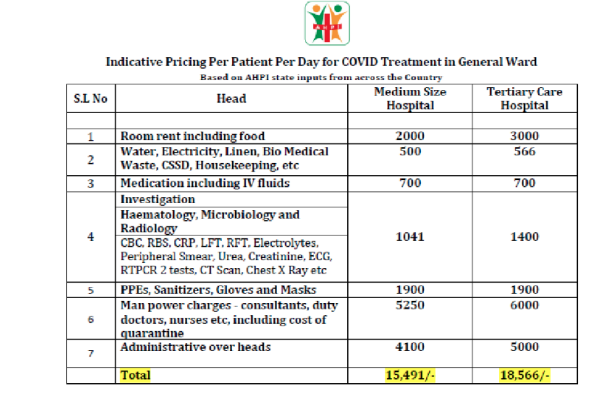
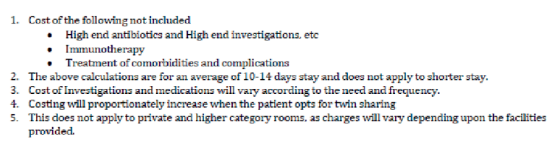
First of all, the AHPI is a lobby for large corporate hospitals and has been quite influential in planning and pricing healthcare in Karnataka. The private healthcare sector cannot be the primary decision-maker to plan healthcare or about how taxpayers’ money should be used.  The government must make decision-making more consultative, transparent, and public. One of the clauses in the notification says that in those private hospitals which have the facility to treat COVID 19 patients, 50% beds will be reserved for those referred from public health facilities, and includes High Dependency Units (HDU) and Intensive Care Units (ICU), both with and without a ventilator. The remaining 50% can be used for admitting Covid19 patients privately.  The notification doesn’t mention how many beds in each category should be made available. This leaves it up to the hospital to decide what will be given to patients referred from public hospitals and what will be kept for paying patients. The government will reimburse the costs for patients referred from public hospitals but not for those seeking care privately, although the government has set price caps for both. So, if a COVID positive patient referred from a public hospital is in the ICU with a ventilator, the government will reimburse the hospital Rs. 10,000/day. If the patient has come directly, then for the same treatment, they pay Rs. 25,000/day if they are in general or multi sharing wards. If they are in twin sharing wards, they will be charged an additional 10% and in single rooms an additional 25%. This kind of rules creates different categories of patients, and there will naturally be concerns that some patients (who pay more) may receive better care. When someone is sick, these kinds of difficult choices should not be put before patients. These fixed package rates also do not cover  “unforeseen complications/surgeries/other comorbid conditions/pregnancy etc.” This is highly problematic because the patients who are most at risk in Covid19 are those with comorbidities and may require critical care interventions such as oxygen, ventilator support, high-end medicines, and an extended stay in hospitals. Co-morbidities should be included as part of the package for private patients of Covid19 and the rationale for the treatment option should be documented in detail. The notification mentions that the fixed rates will not be applicable to patients covered by private insurance or for agreements between the hospital and corporates. Insurance companies have raised concerns about the high costs being charged by private hospitals. Personal Protective Equipment (PPE) and newer treatment are not covered by private insurance and have to be paid out of pocket by the patient. Standard treatment guidelines and price capping should be a protocol applicable for all patients and not based on their ‘package” AHPI had submitted a “Suggestive Indicative Pricing for treating Covid19 patients” to the Government, with the disclaimer that their suggested costing doesn’t include ‘high end’ drugs and management of co-morbid conditions. This paves the way for irrational and exorbitant billing of patients. The AHPI has also put out an ‘indicative pricing’ per patient per day for Covid 19 treatment in a general ward. It estimates water, electricity, linen etc. at 500 per day per patient!! This is more than the electricity and water bills that an entire family pays for a whole month! Medication including IV fluids are estimated at Rs. 700 per day per patient. What if the patient doesn’t require medications and just observation? What if the patient is able to take fluids orally? Will they be mandatorily given IV fluids? Hematology, microbiology and radiology are estimated at Rs. 1400/day. This is unethical and unscientific practice, and in fact pushes patients to undergo unnecessary tests. Most of these tests are only required at baseline and at occasional intervals to assess progress of disease and response to treatment. If a patient has no respiratory symptoms, what is the need for a chest x-ray and CT scan every day? If the patient has no features of liver disorder, why do liver function tests every day? In any case, many of these tests will not show changes over hours but over days or weeks. The government should stop the privatisation of healthcare, and instead invest in strengthening public healthcare. This health crisis should be a turning point in India’s health policy making, and bring back the centrality of the public health system in ensuring universal health care. The writer is a public health doctor and researcher based in Karnataka

Remembering Patrice Lumumba: A Martyr of the Revolution

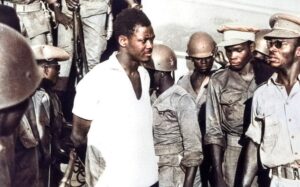
2nd July 2020 marks the 95th birth anniversary of the Congolese politician and revolutionary Patrice Lumumba. He was the first Prime Minister of the independent Democratic Republic of the Congo (Then the Republic of Congo). He was a decolonization crusader who worked for the independent and republic nation of Congo.

Congo under Leopold and Belgium

It was in 1880 that King Leopold II of present-day Belgium took over Congo as a territory. It was not just the lands of Congo which were abundantly rich in resources that were exploited under his rule but also the Congolese people. He exploited the lives of Congolese to earn profits from highly valued resources including ivory, rubber, and diamonds. During these years, millions of Congolese were subjected to the most inhumane abuses while employing the cruelest methods including limb amputations, sexual abuse, chains, lashes and kidnappings. Belgian state also extended its support to such unacceptable practices by granting him loans. However, by 1908 owing to international pressures that accused him of violating human rights, he was forced to transfer powers to Belgium. This was how the region came to be known as the Belgian Congo. While the instances of violence reduced in the Belgian Congo, the practices of slave labour was all-pervasive including the mines of gold copper and tin. This led to the concentration of the wealth and privilege amongst the Belgian interests. Thus, the socio-political and economic demands of the Congolese people and the working classes were not addressed. It is in this backdrop that pro-independence groups emerged in the region demanding sovereignty of Congo. Lumumba initiated one such group named Congolese National Movement (CNM).

Lumumba’s early years

Lumumba was born in Onalua village in the Kasi province of the Belgian Congo. Being a member of a small Batetela ethnic group, he had developed an all-Congolese vision from his early years. This was in contrast with his political rivals Joseph Kasavubu and Moise Tshombe. They derived support from powerful ethnic groups and followed regional political thoughts. He used to write essays and articles for Congolese journals in his early years. He moved to Leopoldville to become a clerk with the postal department after he received full Belgian citizenship.

Politics of Lumumba

In 1955, Lumumba became the regional president of a purely Congolese trade union of government employees. This union was not affiliated to either of the Socialist or Roman Catholic Trade-Union federations. Then he became active with the functioning of the Belgian Liberal Party. In 1956, he was invited for a study tour of Belgium under the auspices of the minister of colonies. Later, he served a year of imprisonment on allegation of cash embezzlement with the postal department. He became even more active in politics post imprisonment and in October 1958 along with other Congolese leaders launched the Congolese National Movement (CNM). It was the first nationwide Congolese political party. In December, he attended the first All-African People’s Conference in Ghana and was made a member of the permanent organization set up by the conference. With pan-African goals, he believed that tribal differences could be overcome with unitary political structures and feed to create a nationalist sentiment. After Lumumba and CNM led several protests, under the pressures of the nationalist movement, the Belgian Government announced a program for Independence. This was intended to be started with local elections in 1959. However, the nationalists understood that such moves would result in the installation of Belgian puppets and called for a boycott of these elections. Belgian authorities took to repressions. In October, Lumumba was imprisoned on charges of inciting riots. Post this, the CNM changed strategies, contested elections, and sweepingly won the elections in Stanleyville. Lumumba was released on CNM’s demand as they refused to participate in the Round-Table Conference of all political parties called in 1960. It was in this conference that Congolese demanded an immediate transfer of powers and government to themselves. June 30 was decided as the day of independence and was dated for transfer of powers.

Lumumba’s Prime Ministership

In the national elections preceding the independence, CNM won elections despite multiple parties contesting it. Lumumba was elected as the first Prime Minister. However, problems did not get resolved with independence. Lumumba’s anti-imperialism and his vision of a united Congo made him an enemy to both Belgium and the United States. Katanga region was the heart of the country’s mining wealth and colonial companies faced a hit when the Congo became an independent nation. Secessionist sentiments were fueled by the Belgian government and his political opponent Toshombe. The mutiny of the military forces only grew stronger with the support of the US. The US had its own interests in the availability of Uranium in the Katanga’s mines. For Lumumba, Congo’s natural resources had to benefit its people and Africans in general and not the mining industries of the west. He demanded before the UN, the rights of sovereignty and inviolability of territory, and called for the immediate expulsion of Belgian troops. However, the UN ignored this request while functioning as an extended arm of the capitalist forces of the west. Lumumba then sought support from USSR to safeguard the interests of his nation.

Military Coup and Assassination of Lumumba

The United States and Belgium covertly funneled cash and aid to rival politicians. On September 5th, 1960, President Kasavuby dismissed Lumumba from Prime Ministership. Lumumba contested the legalities of the move. This led to the creation of two groups claiming powers of the legal central government. Soon after, a military coup was led by Congolese Army leader Joesph Mobutu. Lumumba was arrested, beaten, and tortured. He was executed on 17th January 1961 by firing squads. His body was cut up and dissolved in sulfuric acid and bones ground and scattered by the Belgian authorities. In popular culture, Lumumba is viewed as one of the “fathers of independence” of the Congo. Malcolm X called him “the greatest Black man who ever walked the African continent, who didn’t fear anybody and had the people in power so scared they had to kill him.” Che Guevara called Lumumba a “martyr of the world revolution,” after hearing of his assassination.

Read about Timelessness of George Orwell and Animal Farm


My life is in Danger: Soni Sori, Human Rights Activist

0
Dantewada: Three days ago, a video of Soni Sori, the renowned human rights activist from Chhattisgarh became viral. In the video, Soni Sori can be seen confronting the people who were following her in an unmarked car. “Just kill me now. Shoot. I am ready to die,” she is seen and heard saying clearly. “Film this, they want to pressurise me. They want to kill me. I want to tell the entire administration,” she goes on to say in a video that has since gone viral on social media. Sori challenges the men in the car until they reverse and leave the scene. Soni Sori has now been issued a notice to explain why she posted the video on social media. Her mentor, social activist Himanshu Kumar has also been issued a similar notice as he posted the video on his social media accounts. For the last couple of days, she has been sent notices that she cannot leave home. Several human rights organisations have expressed concerns about the threat to her life. Soni Sori and Himanshu Kumar wanted to visit Sarkeguda, Bijapur where CRPF killed 17 Adivasis (Tribals) in 2012. “The inquiry commission had given a report that the victims were innocent,” said Himanshu Kumar, explaining that the activists were planning to go there with others and talk with local leaders about plans to erect a memorial to the victims on June 28 (the day of the massacre). However, Soni Sori was denied permission at the last moment, even though she had applied for it 24 hours ahead. The group canceled the trip, and on June 29 Sori came to Dantewada. That is when the bizarre chain of events unfolded. According to her, police has pressurised taxi drivers and traders in the area to not rent their car to Soni Sori for travel. Soni Sori is called by several adivasi groups who want her to lead their movement against the state oppression.  In the neighbouring district Bijapur around, 10,000 adivasis have gathered and they want Soni Sori to lead them.  But police does not want to Soni to lead the Adivasi groups. Chattisgarh Police has been trying to use COVID 19 as an excuse to contain her at home.      

Karnataka :35000 Private School Teachers lose Jobs, 8 Guest Teacher commit suicide

Around 35000 private school teachers have lost jobs in Karnataka reported Education World. The Covid-19 pandemic has aggravated the economic crisis wherein millions have lost their livelihoods. This has left the households unable to pay for education including school fees. This has left the admissions processes for the academic year 2020-21 severely affected. Since most schools in the country are dependent upon the school fees to pay for salaries of teachers, they are unable to pay salaries to teachers. On the other hand, the school closures across the world have not just stagnated the teaching-learning processes but have also resulted in increased use of digital platforms for taking classes. This has led to many teachers to lose out their jobs. The private schools are demanding fees from the students to be able to pay salaries to teachers. It has been reported that many schools are forcing parents to pay fees despite government orders to refrain from such acts. However, parents aren’t in a position to pay. SR Umashankar, Principal Secretary of Primary and Secondary education for Government of Karnataka has noted that the state government was aware of the situation and is trying to find solutions. D Shashikumar, General Secretary of Karnataka Associated Managements of Primary and Secondary Schools has noted that a majority amongst 35000 teachers sacked by Private Schools were working in Nursery and Primary Schools. Former CM of Karnataka, HD Kumaraswamy has demanded that the government must heed to the plight of the guest lecturers. He has demanded the government fulfills the demands of Guest Lecturers at the earliest. It was earlier reported that more than 8 guest lecturers of the state had committed suicide owing to economic crisis and pressures as they weren’t paid salaries for the last three months.

The issue is not limited to Karnataka 

While the situation from Karnataka is worrisome, the problem is all-pervasive. On 20th April, the Tamil Nadu Government had issued an order prohibiting the private schools from collecting fees from students. However, Private schools have challenged the orders of the state in the Madras High Court. Justice R Mahadevan questioned TN Government on how could the government expect private schools to pay salaries to teaching and non-teaching staffs when they aren’t supposed to collect fees from students. It is to be noted that such difficult situations exist for teachers and lecturers not just in Karnataka or Tamil Nadu but all across the country. It is difficult for the low-budget private educational institutions to function if the governments do not support them in the times of this crisis.

Also Read: Why World Bank Education Project STARS is opposed by RTE Activists 

Modi government next surgical strike -Indian Railways up for sale!

On Wednesday, the Ministry of Railways has taken the first step towards privatisation by inviting Request for Qualifications (RFQ) to private players for the operation of passenger train services.
At least 151 modern trains or rakes will be introduced and 109 pairs of routes will be planned out for private train operations. Each train will have a minimum of 16 coaches, said the Indian Railways in a press statement on Wednesday.
The operation of these passenger trains is a part of a project that “would entail private sector investment of about Rs 30,000 crore,” the Railways Ministry said in a statement.
“This is the first initiative of private investment for running passenger trains over Indian Railways network,” it added.
Modi government has been eyeing the privatisation of Indian Railways for quite some time. It has already opened with the doors of privatisation in 2018 by starting the outsourcing commercial and on-board services to private players under the guise of “providing better facilities to commuters”.

Perhaps its a good time to remind the Railway minister Piyush Goyal his words in the Upper House in November 2019. He had said- “The Indian Railways is and always continues to be the property of India and people of India,”.

Indian Railways: Connecting people

It would not be an exaggeration to say that Indian Railways is one of the lifelines of the country. The majority of the population still depends on it for their daily commute and for most of its migrant working population it is the only affordable means to connect with their families in their faraway home towns. It is also the one that is being systematically broken up and privatised stealthily by the Government of India. Indian railways are the largest public enterprise and the largest employer in the country. Indian Railways carries more than 810 crore passengers every year. Its 67,000 kilometers of routes connect the remotest parts of the country to each other. It is the only affordable means of transport for crores of people between their villages and cities of work. It is a mammoth enterprise run by 17 lakh contract workers. The Privatisation drive directly threatens the well- being and livelihood of lakhs of rail workers as well as crores of people who regularly use its services.

Modi Government: Disinvestment Regime

Modi government has made its intention clear from the beginning that when it says reforms it means sale or disinvestment of private sector undertakings (PSUs). It started with unsuccessful attempts to sell Air India, then several attempts to disinvest other PSUs through the “Ease of Doing Business” narrative.
There are 339 public sector enterprises in India and often at the receiving end of the argument that they will perform better if they were privatised. Narendra Modi government has been using the COVID crisis to merge or privatise many of these and expose them to private competition. modi
The proposal to sell the government stake in companies like Bharat Petroleum Corporation Ltd. (BPCL) Industrial Development Bank of India (IDBI), Shipping Corporation of India, Container Corporation of India, THDC Ltd and North Eastern Electric Power Corporation Limited to NTPC has been approved in Dec 2019.

Patanjali Coronil: An attempt to defame Ayurveda

  Baba Ramdev, Yoga Guru, and founder of Patanjali Ayurveda pharma were yet again in frontline news for launching an Ayurveda medicine for Corona Virus claiming huge success with the clinical trials. After the public launch of an alleged claim for Covid-19, Pathanjali Ayurveda’s marketing stunt with ‘Coronil’ has effectively backfired. The claims made by Pathanjali were publicized prematurely and with no clinical data to prove that they are safe and effective.

What is wrong with the claim and medicine?  Is Ayurveda ineffective against these diseases?

If we look at the trial report that Patanjali has sent out, it excludes everyone below 10 years of age and above 59 years, people with diabetes, hypertension, chronic respiratory disease, cancer, and all immune-compromised diseases. Patients with co-morbidity require effective treatment and all other COVID positive patients who are asymptomatic and have mild to moderate symptoms require less medical intervention. They can be treated on the lines of influenza-like illness. In these inclusion criteria what Pathanjali has taken, the recovery rate is between 95-97% with very few medications. Then, what are we really achieving with this Ayurveda medicine is a question asked by many medical professionals. Many professionals including allopathy, Ayurveda, and Homeopathy medical system are confused as to how Pathanjali could have named, developed, and advertised a product without receiving approval from AYUSH ministry. Trials were conducted only on 100 patients at NIMS Jaipur and the report claims that 69% of them were cured in 3 days and 100% in 7 days. It is not clear whether these medicines are propagated as immune-boosters or as curative medicine. This is not the first time where Pathanjali Ayurveda made these kinds of unscientific claims of cure for chronic diseases. They have done this in the past too. At every stage of research, clinical trials, their ethics are questionable.

Also Read: FIR filed against Baba Ramdev for spreading false news about coronavirus

These types of pseudo-claims by any pharma for that matter not only endanger the lives of people but also put Ayurveda, the ancient system of medical science in a bad light. Ayurveda is a science of life with a holistic approach to health. It is known to be a complete medical system that emphasizes on physical, psychological, philosophical, and spiritual aspects of the wellbeing of a person. It has the ability to treat many chronic diseases such as diabetes, arthritis, asthma, skin diseases, and many other ailments which are untreatable by contemporary medical sciences. Every country around the world have/had their own indigenous medical system since thousands of years. After the colonization by west, due to rapid industrialization and in need of quick relief from the diseases, the modern medical system gained its popularity.  The awareness regarding the toxicity of allopathic drugs, high cost of healthcare, microbial resistance, etc amongst the global population, has caused a number of people to seek relief from the age-old system of medicine i.e. Ayurveda, Yoga, Unani and Siddha system of medicines.

Then why is Ayurveda trailing behind?

Let us consider a few points- Only a few organizations have well-established research infrastructure for conducting research in Ayurveda. Many young Ayurveda scholars who pass out each year enter into academics and practice. Among them, very few choose their profession in Ayurveda research.

What can be done?

Evidence-based clinical trials regarding the efficacy of Ayurveda medicines should be encouraged and well documented. The government has to encourage research in Ayurveda pharma. They have to get Ayurveda medical system under mainstream healthcare and not as an alternate system of medicine. Collaborative research and clinical trials including Ayurveda and western medicine under a single roof shall be thought of. Today, the cost of healthcare is constantly raising and affecting people’s ability to afford complete health coverage. It is here where Ayurveda medicine and formulations come to play a major role in providing a holistic treatment approach to many diseases. The wisdom of Ayurveda if validated by extensive research in clinical trials would bring a good ray of hope to deal with diseases like Covid-19 in a comprehensive way with lots of proof and courage in the days to come. The author is an Ayurvedic doctor based in Karnataka. Views are personal.

Hong Kong and China: Friction in One country- Two systems

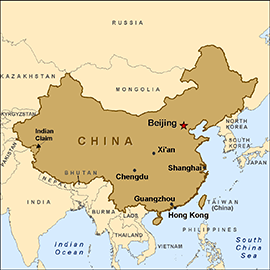
On 4 September, Carie Lam, Chief Executive of Hong Kong, announced the scrapping of the Extradition Bill in Hong Kong following months of protests. The Extradition Bill was a bill proposed in February 2019 that would foster cooperation between Hong Kong and different administrative units in China. The Bill was introduced in response to a murder case where a man from Hong Kong, committed murder while on vacation in Taiwan. The Bill met with heavy opposition was met with heavy protests, mostly seeing the Bill as a step towards eroding Hong Kong’s autonomy and giving more power to Beijing. Carie Lam has been seen in Hong Kong as a pro-Beijing politician. The Hong Kong protests are a consequence of a complicated history of China with the island, and the island’s relationship with the western world. Defenders of the protest see it as a mass uprising over a looming authoritarian state. However, the full transition of Hong Kong into China, as of now, is still inevitable as the agreement to keep the Hong Kong administration separate from China has less than twenty years left. Hong Kong China Most of the current population of Hong Kong has been culturally, politically, and economically distinct from Mainland China. The language spoken in Hong Kong is native to the nearby province of Guangzhou (formerly known as Canton) and is distinct from the majority language and administrative language of China, Mandarin. Mandarin and Cantonese are both called the Chinese language, but they do not have any grammar, pronunciation, and little vocabulary in common. Even in Cantonese, because of westernization, Hong Kong Cantonese is culturally distinct. Half of the words used in Hong Kong Cantonese are not used in the Cantonese spoken outside of Hong Kong. Hong Kong Cantonese uses more English words, leading to a variety of English-style Cantonese that is only spoken in Hong Kong. Historically Hong Kong has been a trading port and is the only part of China that was colonized by the west. Contact with the West began in the early 1800s when demand for tea increased in Britain with the industrial revolution. The trade was controlled by the Qing dynasty and to protect China from foreign traders, they restricted trade to specific regions on the South. These trading areas gave westerners military and economic access to China and were often considered areas of corruption and disrepute. Le Khow, for example, was called the island of pirates and thieves.

Also Read: The Pandemic and Political imperatives: Rise and fall of treatment options

Regulation of trade made China a beneficiary of trade with respect to Britain. British traders reported on various small instances to make the Chinese people look like savages to the British press. The propaganda system helped justify invasions of China, which are now called the Opium War, as much of the black market trade between Britain and China was in the form of Opium. Britain took over the island of Hong Kong and later Beijing. On withdrawal, the British agreed to leave China as mostly independent, though they retained control over Hong Kong. In the agreement, the British “leased” Hong Kong for 99 years. Decades later, during the Chinese revolution, many of the wealthy Chinese people fled to Hong Kong as a haven. From this point, anti-Beijing feelings in Hong Kong became more intense. This has a long history though. From the 1980s, it was becoming more pressing that China would eventually reclaim Hong Kong. As Hong Kong was going to be in the crossfires of Britain and China, negotiations began to determine the conditions of the handover. This led to the one country two systems agreement with the Thatcher government and the Xiaoping government in 1987 where it was agreed that Hong Kong would be handed over to China as per the agreed upon lease, but the transition of government would not finish until 2047, or 50 years from the handover. Until 2047, Hong Kong would keep its own government, judiciary, and currency. A border between Hong Kong and China would be retained even after the handover. For the first 10 years after China regained Hong Kong, Hong Kong was seen as a source of economic wealth. The one-country-two systems agreement benefited both the Chinese economy as well as the Hong Kong economy. However, with the penetration of neoliberal economic reforms, the added benefit of keeping Hong Kong as it was started to decline. Chinese manufacturing started to dominate global trade and Chinese cities started to catch up to Hong Kong. To put this in perspective, Hong Kong has a population of about half a percent of China as a whole. Hong Kong went from contributing almost one-sixth or 18% of China’s GDP at the time of the handover, to almost one-fortieth or 2.5% in 2019. The incentive of China to keep the one-country-two system in the place has been declining. Since the global 2008 financial crisis, Hong Kong went from contributing to China’s trade surplus to taking away from it. As Hong Kong relies on a relatively free-market style economy and does not have a prominent manufacturing base, foreign powers see Hong Kong as a point which can partially balance economic relations, while the Chinese government sees the Hong Kong economy as a drain, rather than the tap it was before.
Hong kong China
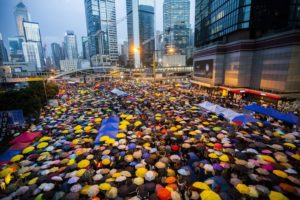
Umbrella Protests, 2014
In 2014, the Chinese government published a white paper on the one country-two system, which made recommendations towards the reunification of Hong Kong with China. The Chinese government instituted a democratically elected Chief executive position in Hong Kong, elected by the people of Hong Kong, but would ban anyone contesting elections if they were deemed anti-Chinese. This provoked what later became called the Umbrella protest (called because umbrellas were used to guard protesters against pepper spray). The Umbrella protests polarized and galvanized Hong Kong into pro-Beijing and anti-Beijing factions, with the latter having a strong base among students. This base created the groundwork for the recent protests and a stronger suspicion of the Beijing government among the youth. As the one country-two system has less than twenty years left on it, the integration of Hong Kong with China is on the horizon. Until then, a number of reforms will be proposed and may occur to facilitate the move. As many of the Hong Kong youth have been in opposition to China, we may see more protests against these reforms.

California: Cisco sued over job discrimination based on caste of an Indian Employee

Silicon Valley giant Cisco Systems Inc. was sued by California regulators on the grounds of job discrimination against an Indian American employee. The employee was harassed by two managers because he was from a lower Indian caste than them, as reported by Reuters.

Former Cisco engineering managers Sundar Iyer and Ramana Kompella also are defendants in the lawsuit, which accuses them of harassment for internally enforcing the caste hierarchy. The caste system is an Indian system of maintaining the class hierarchy that has been codified in the Indian society through ages. It dictates almost all aspects of society from marriages, economy to the kind of jobs one is supposed to do. While the system is advantageous to people belonging to the upper caste, the caste system has pushed the majority of the population to the margins of society as they are excluded from social and economic mobility.

Also Read: Tamilnadu: Spike in Caste atrocities during the lockdown

While there have been many social reformers who have tried to break the caste system, the system of graded inequality has seeped too deep into Indian society and taints all aspects of life in India. As Indians moved abroad for work and studies, they carried their caste, caste behavior, and caste pride with them. Like other large Silicon Valley employers, Cisco‘s workforce includes thousands of Indian immigrants, most of whom were born Brahmins or other high castes. The civil rights group Equality Labs in a 2018 report cited in the lawsuit found that 67% of Dalits surveyed felt treated unfairly at their U.S. workplaces. US employment law does not specifically bar caste-based discrimination, but California‘s Department of Fair Employment and Housing contends in the lawsuit that the Hindu faith’s lingering caste system is based on protected classes such as religion. The lawsuit, filed in federal court in San Jose, does not name the alleged victim. It states he has been a principal engineer at Cisco‘s San Jose headquarters since October 2015 and that he was born at the bottom of caste hierarchy as a Dalit, once called “untouchables.”
Cisco spokeswoman Robyn Blum said that the company would “vigorously defend itself” against the lawsuit. She further adds- “Cisco is committed to an inclusive workplace for all,” “We were fully in compliance with all laws as well as our own policies.” The case of caste discrimination goes back to 2016 when the complainant had reported Iyer to Human resources in November 2016 for outing him as a Dalit to colleagues. Iyer allegedly retaliated, but Cisco determined caste discrimination was not illegal and issues continued through 2018, the lawsuit states. Cisco reassigned and isolated the employee, rejected a raise and opportunities that would have led to one, and denied two promotions, according to the lawsuit.

The Pandemic and Political imperatives: Rise and fall of treatment options

The initial discourse around COVID 19 focused on testing, critiques of containment measures, projections of the number of infections during the ‘peak’ of the epidemic, and consequently preparedness of the health system to respond to the same. In India, the epidemic has accelerated in recent weeks and the health system is feeling the pressure of the rising number of infections. So there is a consequent urgent focus on treatment options and scrutinizing preliminary results from clinical trials of potential drugs that could be used. There is also a frantic race for the development of a vaccine against COVID-19 with several stakeholders from governments, private foundations, academic institutions, international bodies, pharmaceutical companies collaborating together in what is seen as ‘an unprecedented’ manner.

Global collaboration and the race for treatments and vaccines for COVID 19

On 24th April 2020, the WHO launched the ACCESS TO COVID-19 TOOLS (ACT) ACCELERATOR which is an effort at “A Global Collaboration to Accelerate the Development, Production and Equitable Access to New COVID-19 diagnostics, therapeutics and vaccines”. This collaborative effort includes BMGF, CEPI, Gavi, Global Fund, UNITAID, Wellcome Trust among others, and has committed itself to “equitable global access to innovative tools for COVID-19 for all”. As of June 12, 2020, there were almost 2,100 trials testing drugs and vaccines targeting COVID-19. Of these, over 231 were still in the first phase, 1029 in Phase II, 580 in Phase III, and 225 trials in Phase IV of clinical trials. Among the prominent clinical trials currently underway is the Solidarity Trial launched by the World Health Organization and its partners. The Solidarity Trial will compare four treatment options against standard of care, to assess their relative effectiveness against COVID-19. By enrolling patients in multiple countries, the Solidarity Trial aims to rapidly discover whether any of the drugs slow disease progression or improve survival. Other drugs are planned to be added based on emerging evidence. The ‘Recovery Trial’ is one of the biggest trials presently to look for therapeutic options against COVID-19. It started with testing six potential drugs — Lopinavir-Ritonavir (commonly used second-line drugs to treat HIV), Low-dose Dexamethasone, Hydroxychloroquine (this arm is now stopped), Azithromycin (a commonly used antibiotic), Tocilizumab (an anti-inflammatory treatment is given by injection) and Convalescent plasma (collected from donors who have recovered from COVID and contains antibodies against the Coronavirus). The trial has recruited over 11,500 patients in over 175 NHS (National Health Service) hospitals in the UK. The trial is supported by a grant to the University of Oxford from UK Research and Innovation/National Institute for Health Research (NIHR) and by core funding provided by NIHR Oxford Biomedical Research Centre, Wellcome, the Bill and Melinda Gates Foundation, the Department for International Development, Health Data Research UK, the Medical Research Council’s Population Health Research Unit, and NIHR Clinical Trials Unit Support Funding. The third prominent clinical trial is by the National Institute of Allergy and Infectious Diseases (NIAID) which has initiated a randomized, controlled clinical trial to evaluate the safety and efficacy of the antiviral drug Remdesivir in hospitalized adults diagnosed with COVID-19. It will take place in up to 75 locations globally. Presently 39 sites are participating in the trial.

The latest ‘breakthrough’ drug: Dexamethasone

In the past week, there have been several announcements related to drugs and vaccines. First came the news of Dexamethasone, a steroid that reduces inflammation and used to treat Rheumatoid arthritis, Lupus, and certain kinds of tumors. The Recovery trial found that Dexamethasone significantly reduced mortality risk by one-third in ventilated patients and by one-fifth in patients receiving only oxygen. Based on these results, the trial concluded that one death would be prevented by the treatment of around 8 ventilated patients or around 25 patients requiring oxygen alone. This drug works by dampening down the body’s immune system. Coronavirus infection triggers inflammation as the body tries to fight it off. Sometimes the immune system goes into overdrive which could be fatal. The very reaction designed to attack infection ends up attacking the body’s own cells. Dexamethasone calms this effect. It is being considered as a major breakthrough in the treatment of COVID 19 and has been recommended to be standard of care for patients on a ventilator or on oxygen.  These findings were found to be so significant that Dexamethasone’s arm in the Recovery trial has been stopped. It is important to note that Dexamethasone is suitable only for people who are already in the hospital and receiving oxygen or mechanical ventilation. Soon researchers made another announcement that Dexamethasone could actually harm patients with mild illness. And that it could have different effects at different stages of the illness. Experts say- In the initial stages of the illness when the immune system is fighting off the virus, using an anti-inflammatory drug which suppresses the immune system would definitely be harmful. Dexamethasone should not be used as a preventive or in patients with mild illness. In the later stage of the illness when the immune system goes into overdrive it causes a ‘cytokine storm’. Cytokines are molecules that are released by the immune cells to recruit more cells into the fight against the pathogen. But there are times when the immune system does not stop as it would under normal circumstances. And causes damage to lungs, kidney, liver leading to death. Therefore using an anti-inflammatory drug at a later stage during the second phase of the illness seem to help reduce the risk of death. However, we need to consider this as work in progress and keep a close watch on further developments. But there are doubts about whether or not it will be useful in India because steroids have been used for the moderate to severely ill Covid-19 patients from the first revised guidelines published on March 31. The latest Indian guidelines released on June 13 also recommend Methylprednisolone for three days in moderate illness and five-seven days for severe illness. But soon Indian government authorized the use of Dexamethasone to treat patients with moderate and severe symptoms and has since then put up a revised protocol for the clinical management of COVID 19.

Saga of Hydroxychloroquine 

Findings related to COVID 19 treatment and prevention are presently being received very cautiously given that public trust in ‘evidence’ has suffered a setback after the hydroxychloroquine episode. Controversy surrounded Hydroxychloroquine, an anti-malarial drug, from the time it was found to have some in vitro effect (tested outside a living organism) on the virus. However, this finding was weak and required a lot more robust testing. Poor evidence notwithstanding, Donald Trump declared on TV that hydroxychloroquine was a ‘game-changer’ and that he was considering taking it himself even though he had tested negative for the virus. This immediately raised a red flag in the scientific community. Researchers from the National University Singapore had already advised: “caution”, “prudence” and “rigour” in the development of new treatment. Similarly, when India declared the use of Hydroxychloroquine as prophylaxis for high-risk health care workers and asymptomatic contacts of confirmed cases, researchers from Mahatma Gandhi Institute of Medical Sciences writing in the Lancet, questioned the government’s decision to allow extensive use of the drug even in the absence of any evidence of its effectiveness. They pointed out that there was no peer-reviewed publication that evaluated the drug for exposure prophylaxis of SARS-CoV-2 infection. The New England Journal of Medicine was very critical of the US Food and Drug Administration for succumbing to political pressure and issuing an Emergency Use Authorization (EUA) to Hydroxychloroquine on March 28. The article charged that FDA’s actions posed ‘fundamental threats to the U.S. drug-evaluation process’. Privileging speed at the cost of good science was against the principles of evidence-based medicine and warned that such actions would seriously compromise public trust in the drug-review process.

Also Read: Health: Why we should be Sceptical about the Benevolence of Billionaires

Hydroxychloroquine use took on political overtones in Brazil to such an extent that those supporting its use resorted to death threats against the principal investigator of a chloroquine clinical trial which involved 21 research institutions in Brazil, Spain, and Mozambique. The study found that Chloroquine when used in high doses, is not safe. This trial did not use Hydroxychloroquine, the so-called safer version of Chloroquine. Micheal Coudrey, an American political activist with 256700 Twitter followers referred to the study as “a left-wing funded study that intentionally administered extremely high doses and used a less-safe version of the drug hydroxychloroquine, then used this as a pretense to indicate that chloroquine was ineffective and dangerous”. Soon after, Brazilian president’s son Eduardo Bolsonaro (who has 2 million Twitter followers) called it “a fake study aimed at demonizing the drug”. In another tweet, he claimed that the study’s authors were affiliated to the part that is funded by former Brazilian President Luiz Inácio Lula da Silva and asked for an investigation. Soon after, Lacerda started to receive death threats through social media and had to request police protection.

A twist in the tale: The Lancet fiasco

Justifiably the scientific community was very disturbed by how political forces were holding them to ransom. But the worst was yet to come. No one could have imagined that the NEJM’s warning to drug regulators about jeopardizing public trust would apply to its own fraternity of scientific journals. May 22, 2020  issue of the Lancet carried a paper that claimed to have analyzed 96000 patient records from 671 hospitals from a global database which had been taken from a Chicago- based data analytics company called Surgisphere. The dataset also included about 15,000 patients treated with Hydroxychloroquine either with or without an antibiotic. The paper reported that hydroxychloroquine when used for the treatment of COVID-19 was ‘associated with decreased in-hospital survival and an increased frequency of ventricular arrhythmias “. These were explosive findings. Scientists who had been clamoring against the use of Hydroxychloroquine felt vindicated. They could now cite these findings to advocate against the use of the drug. The buzz created led the scientific community to scrutinize the paper more closely.  Curiously enough, the research and academic community had not heard of the availability of such large database which the lancet authors claimed to have used. They also found it strange that not even one healthcare facility was named or acknowledged in the study though the authors claimed to have drawn data from 671 hospitals. Slowly, data discrepancies also began to emerge. Researchers from the University of California questioned how the authors could claim to have captured data from over 60,000 hospitalizations in about 550 hospitals in the US by April 13th while actually 6,000 hospitals across the US contributed to these numbers around the same date. Similarly, a researcher from the University of Pittsburgh and an investigation by Guardian Australia found that there had been only 67 deaths from Covid-19 by April 21 while the Lancet authors claimed that there had been 73 deaths. When no satisfactory answers were forthcoming from the authors or Surgisphere, Lancet editors asked for an independent third-party peer- review of the database. But Surgisphere refused to transfer the full dataset, client contracts, or the full ISO audit report citing confidentiality contracts. Following this response, the authors requested that the paper be retracted. It soon turned out that Surgisphere was owned by one of the co-authors of the paper Sapan Desai. Soon, investigations by The Guardian and others found that Surgishpere was a fraud. A search of publicly available material found that several Surgisphere’s employees had little or no data or scientific background. An employee listed as a science editor appears to be a science fiction author and fantasy artist. Another employee listed as a marketing executive in an adult model and events hostess, who also acts in videos for organizations. Additionally, it was found that Sapan Desai himself had been named in three malpractice suits.

To trust or not to trust

The Lancet episode shook the research community across the globe. It was beyond comprehension that a journal of the stature of Lancet could succumb to the pressure to beat the race and actually bypass the peer review process and publish an article that had used fraud data. The pressure to announce spectacular, headline-grabbing, ‘ground-breaking ‘ discoveries seemed to have spared no one. From the time the COVID 19 epidemic burst upon the world, information about the virus, how it came to be transmitted to humans, the natural history of the disease, options for treatment and prevention and other details have not only been changing rapidly but have been dogged by conspiracy theories, fake news, and plain superstitions. In such a scenario, long-established scientific journals had been the only mainstay of reliable information for patients, medical practitioners, and the general public. After the Lancet fiasco however it seems as though this last bastion of trust has also been seriously compromised. Recently the Recovery Trial announced that it found no clinical benefit from the use of hydroxychloroquine in hospitalized patients with COVID-19 and there had been no significant reduction in mortality. The Hydroxychloroquine episode seems to have drawn to a close until another study or Trial came by on another day to raise some more questions.

Blithe approvals and announcements continue despite serious flaws and concerns

Despite this trail of mess in the past weeks, optimistic announcements of approvals of drugs for treating COVID 19 have continued blithely. During the past week in India, Glenmark announced that it had obtained clearance for its drug Favipiravir under the brand name FabiFlu, for the treatment of patients with mild to moderate COVID-19 at a price of about Rs 103 per tablet. Glenmark received the manufacturing and marketing approval under the Accelerated Approval Process from the Drugs Controller General of India (DCGI). The company has reported that its own in-house research and development team developed the Active Pharmaceutical Ingredients (API) and the formulation for FabiFlu. Glenmark said a randomized multi-center study was done in India enrolling 150 patients to test the drug’s efficacy and safety in mild to moderate Covid-19. The study’s details are yet to be published in a peer-reviewed paper. Glenmark claims that Favipiravir has shown clinical improvement of up to 88 percent in mild to moderate COVID-19 cases and has led to a rapid reduction in viral load within four days and provides faster symptomatic improvement. The approval’s restricted use entails responsible medication usage where every patient should sign an informed consent before treatment initiation.  Favipiravir is an oral antiviral approved for the treatment of influenza in Japan since 2014. It selectively inhibits RNA polymerase, a process necessary for viral replication. Serious questions have been raised since the approval of Favipiravir, where the study was conducted by an in-house trial with a small sample. Public health experts and activists have demanded answers from the Drugs Controller General of India (DCGI) as to the basis on which Flavipiravir was approved pointing out the secrecy surrounding its approval and several flaws in the study itself. First of all, the question of why does a ‘mild’ case need any intervention at all because of mild cases of COVID 19 clear up on its own. This casts doubts on the very premise of the study. Secondly, they point out that available scientific evidence is not strong enough to warrant approval. Thirdly, the study conducted was not a Randomized Control Trial (RCT) which is a gold standard in research related to new drugs. Fourthly, they highlight the secrecy surrounding its approval where the DCGI has not made public the minutes of the meeting of the Subject Expert Committee (SEC) which is set up by the DCGI to review all drugs that come up for approval. There is no information about the composition of the SEC or the results submitted by Glenmark based on which the DCGI/ SEC gave their approval. Further, these findings have not been published in a peer-reviewed journal. Similar concerns have been raised by the All India Drug Action Network (ADIAN) about lack of transparency in regulatory approval mechanisms that pose a serious threat to patient safety and demanding that the Central Drugs Standard Control Organization (CDSCO) make public all of the following: names of SEC members along with minutes of the SEC meeting, the evidence submitted by Glenmark, the basis on which the SEC/ CDSCO approved the drug, the restrictions for its marketing, clinical trial data and so on. These are serious concerns that point to the DCGI which has approved the drug against available scientific evidence and by that is equally party to the violation of a fundamental principle of research ethics “Do no harm” and of willfully exposing patients to unnecessary harm. Close on the heels of the announcement by Glenmark came the announcement by Cipla that it had received a voluntary non-exclusive license to manufacture and market a generic version of Remdesivir from Gilead Sciences Inc. Remdesivir is the only USFDA approved Emergency Use Authorisation (EUA) treatment for adult and pediatric patients hospitalised with suspected or laboratory-confirmed COVID-19 infection. Cipla said it has been granted regulatory approval by the Drug Controller General of India (DCGI) for restricted emergency use in the country as part of the accelerated approval process. The NIAID Trial found that Remdesivir was superior to placebo in shortening the time to recovery in adults hospitalized with Covid-19 and evidence of lower respiratory tract infection. Remdesivir received EUA from USA FDA based on the preliminary analysis which included 1,063 hospitalized patients with advanced COVID-19 and lung involvement, showing that patients who received Remdesivir had a 31% faster time to recovery than those who received placebo (P< 0.001). Specifically, the median time to recovery was 11 days in patients treated with Remdesivir compared with 15 days in those who received a placebo. NIAID trial of Remdesivir has also been beset by similar accusations against the US government for pushing approval of drugs for political gain rather than based on robust scientific evidence. For instance, it has pointed out that a combination of three drugs was found to reduce viral shedding and hospital in 5 days and therefore is more effective than Remdesivir which took 11 days. But these triple-drug regimen has not received any attention that it deserves. The reason is being attributed to the fact that all the three drugs in the regimen are out of patent which means that no company stands to profit. In contrast, Gilead obtained ‘orphan drug status’ for Remdesivir in the US which gave it exclusive rights to market and sell the drug for a period of 7 years. But after public outcry, Gilead backtracked and asked the US government to rescind the status. Gilead has been accused even earlier of ‘price gouging’ for Hepatitis C and HIV drugs, which many activists say was one of the main reasons for their inability to control the epidemic. Activists have also pointed out the conflict of interest in Remdesivir. A person who served as head of Federal Affairs in Gilead from 2011 to 2017 is presently a member of the White House Coronavirus task force.

A word of caution

The narrative of drugs and treatment of COVID 19 illness seems to be beset by fraud and lies where political considerations and commercial interests seem to have taken precedence over robust scientific evidence and ethical conduct by all actors concerned. This is a terrifying situation, that too during a pandemic of such magnitude. The way forward needs people’s movements, ethical researchers and experts, civil society organizations and citizens to be ever- vigilant, cautious, closely read the fine print and not be swept away by the flood of ‘breakthrough findings’ and hasty approvals through opaque processes. The author is a convener of Karnataka Janarogya Chaluvali ( Campaign for healthcare Karnataka) and a Health Activist. She also holds a Ph.D. in Public Health from NIMHANS.

George Orwell and the timelessness of ‘Animal Farm’

‘All animals are equal, but some animals are more equal than others’- this statement has become a political proverb that has penetrated the common parlance and used extensively to describe conditions in different societies. Orwell’s Animal Farm, much like this statement, has also retained its significance over time, and read and interpreted extensively, making it one of the timeless political commentaries of the post World War era. Published first in 1945, Animal Farm unfolds as a fable woven around toiling animals in a farm. Frustrated with their alcoholic, lazy and cruel master Mr. Jones, and encouraged by the vision of an old, wise pig- Old Major, they rebel against the farm owner and drive him off the farm. This new-found liberty and ownership of farm resources leads to swift development and prosperity of the animals. The leaders of the rebellion, two pigs, called Napoleon and Snowball take charge of the new form of government in the farm. Espoused by Old Major, the animals lay out and adopt ‘Seven Principles of Animalism’ based on the notions of equality, and non-accumulative behavior. However, the ideological differences between Napoleon and Snowball lead Napoleon to get Snowball attacked and chased out of the farm. The pigs, who are in command at this time gradually start behaving like the old farm owner- walking on two legs, sleeping in bed, drinking alcohol and striking deals with exploitative farmer-traders. The animals finally witness the degeneration of the principles of animalism, to an extent that they could no longer make out the difference between their principal enemy- the man and their current masters- the pigs.

Also Read: How the RSS leadership bowed to Indira Gandhi: 45th anniv of the Emergency

Widely read as a ‘fairy tale’, this work has predominantly been understood as a critique of Soviet Union under Stalin, commenting on the degeneration of a perceived socialist state into totalitarianism. Orwell, an English writer, found it extremely difficult to get this work published at a time when Britain was a committed ally of Soviet Russia. Once this work was out though, it witnessed a seamless appropriation by the right wing to extend a blanket criticism of communism. The right wing propagandists from US in particular made active attempts to popularise this work, translate it, adapt it into movies, curriculum and so on, and infuse it into the popular conscience that a rebellion of the masses is bound to get corrupted, with the leaders assuming the same positions that they fight against. Orwell’s essays were also invoked to highlight his rejection of Stalinist socialism and the perversion of communist principles into totalitarian regimes. It is indeed true that Animal Farm is an allegory directly commenting on contemporary series of events in the Soviet. The farm animals, a symbolic of the proletariat, led by the pigs- the Bolsheviks, under the intellectual guidance of the Old Major- symbolic of Marx, revolt against an oppressive system where their sustenance is solely dependent on the expenditure of their labour and the whims of the owner. The two main leads, Napolean- seeming to symbolize Stalin and Snowball- symbolising Trotsky, however get into a rival ambition for power, where Napoleon conspires to drive Snowball away and ultimately becomes a dictator with accumulated wealth and power, while the masses are left to toil once again. While the right enthusiastically uses Animal Farm as a propaganda tool against an interventionist state, the supporters of Stalin’s regime dub it as Orwell’s absolute cynicism and even tag him a ‘liberal democrat’. To perceive Orwell and Animal Farm in any of these terms is a discredit to his engagement with left and left politics. While Animal Farm does present Orwell’s disillusionment with a brand of left politics and his support of individual freedoms, Orwell cannot be sidelined as someone in opposition of the left. Orwell was a committed egalitarian and his criticisms sprouted from his own experiences as a participant of the Spanish civil war and due to his understanding of the working class as a heterogenous group that must only be collectivised from below. Orwell’s criticism of totalitarianism, visible in Animal Farm and 1984, must not be perceived as a blanket criticism of revolution or revolutionary thought. He, infact wrote multiple essays hailing socialism and egalitarianism. His commitment to working class issues is also visible in ‘The Road to Wigan Pier’, written on the conditions of coal miners. In Animal Farm too, the conditions that led the animals to revolt against the farm owner lucidly demonstrate the malicious character of capitalist relations. Their revolution might have failed to create everlasting prosperity for them, but to say that their condition would have been better sans a revolution would be baseless and absurd. Orwell presents a scenario of the degradation of the principles of Animalism in a way that the original principles are shown to be gradually and purposely corrupted by politically ambitious forces, but the integrity of the original principles is never put to doubt. Just like we witness the usage of progressive vocabulary to represent diagonally placed ideas, we see the use of Animal Farm as propaganda literature across the political spectrum. The merit of this work lies in its absolute simplicity and straightforwardness. The symbolicism, the imagery, the metaphors and the language of this work is so direct that it makes the reader view multiple societies laid open on the pages of the book, without putting much labour into comprehending it. It is not to mean that there are no complexities in the thought that went behind this writing. As the right has attempted to do, this book can actually be read and interpreted plainly in accordance with one’s own biases. But, to grasp the politics of this piece of literature, a peak into Orwell’s overall thought and practice is necessary. The brilliance of Orwell’s satirical honesty is revealed through the timelessness of this classic. In a pandemic-ridden world where the working classes across borders are struggling to survive, a section of the capitalist class can still be seen appropriating super profits. The gap between the ‘more equal’ and ‘the rest’ has been laid wide open. The left also can analyse why the production relations have crumbled, but cannot fully answer what is to be done when production processes themselves come to a halt. Further, we witness an attempt by fascist regimes to use the pandemic as an opportunity of expanding their power and shutting all dissenting voices. An Orwellian view of this situation on one hand exposes the faultlines of capitalist accumulation, and on the other hand also warns against any form of despotism. Orwell will remain relevant so far as the right exists and the left refuses to reflect on any possible perversions that it may fall into. The Autor is a Masters in Development Studies. Views expressed are personal.